What Is Gum Contouring? Understanding Gum Reshaping and Smile Proportions
When we think about smile design, tooth colour, tooth shape, and ceramic veneers often come to mind first. However, the gum line and gum proportions also play an important role in the overall appearance of a smile.
Some people have teeth that appear short, uneven gum lines, or smiles that show a noticeable amount of gum tissue. These characteristics do not necessarily indicate an oral health problem. However, for those who would like to improve the proportions of their smile, gum contouring may be one treatment option to consider.
At Veneerist Dental Clinic in Krabi, we assess the teeth, gums, and overall smile together. In some cases, gum reshaping alone may be appropriate, while other cases may require a treatment plan involving ceramic veneers or dental crowns.
In this article, we explain what gum contouring involves, which gum conditions may benefit from treatment, how the procedure is performed, what to expect during recovery, and how to care for your gums afterwards. We also share four before-and-after case examples from Veneerist.
What Is Gum Contouring?
Gum contouring is a dental procedure that reshapes gum tissue or adjusts the gum line according to an individual’s oral condition and treatment plan.
In some cases, only the soft gum tissue needs to be reshaped. In others, treatment may also involve adjusting the underlying bone around the teeth, depending on the position of the gum line, bone levels, and the purpose of treatment.
Gum contouring may be performed for aesthetic reasons, such as improving the relationship between tooth shape and the gum line. It may also form part of restorative dental treatment, such as preparing a tooth for a dental crown.
However, not everyone with an uneven gum line or a gummy smile needs gum surgery.
Do You Need Gum Surgery If You Have a Gummy Smile, Short-Looking Teeth, or an Uneven Gum Line?
Not necessarily.
Gum shape and smile characteristics vary from person to person. Some people naturally show more gum tissue when smiling, have uneven gum levels, or have teeth that appear shorter than average.
These features do not automatically mean that gum contouring is necessary.
If your teeth and gums are healthy, there are no functional concerns, and you are happy with your smile, treatment may not be needed.
However, if you experience swollen gums, frequent bleeding, or unusual gum enlargement, a dental examination is recommended even if you are not concerned about appearance.
For patients considering gum reshaping, the dentist will assess gum health, bone levels, tooth structure, and the bite before determining whether surgery is appropriate.
The goal of smile care is not to give everyone the same gum line, but to find an approach that suits each person’s oral health and individual preferences.
What Types of Gum Conditions May Benefit From Gum Contouring?
Gum contouring may be considered in certain situations, but the underlying cause and the structures surrounding the teeth must be assessed first.
1. Short-Looking Teeth Caused by Excess Gum Coverage
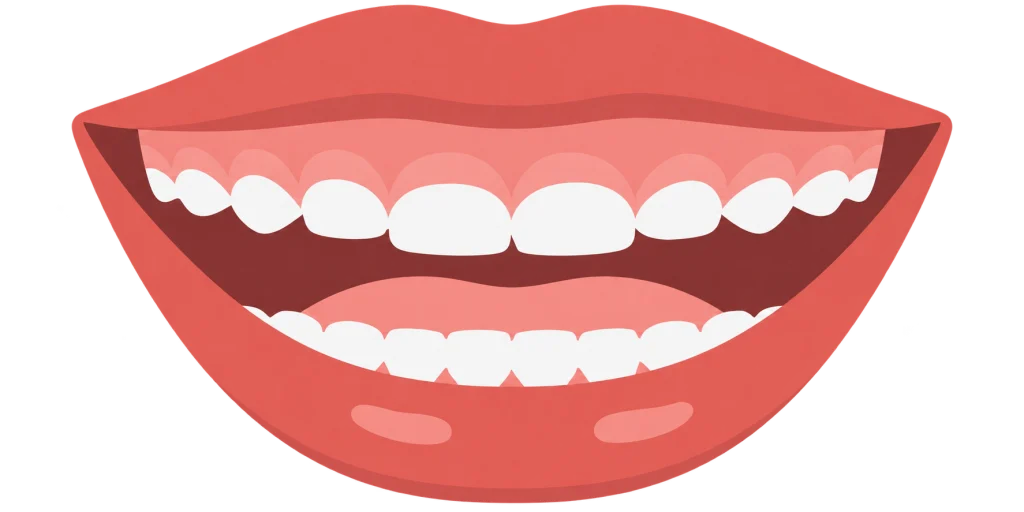
Some teeth may appear short even though the actual tooth structure extends further beneath the gum line.
If the gum tissue covers more of the tooth crown than expected, the dentist may consider gum contouring to expose more of the natural tooth surface.
However, bone levels and surrounding tissues must be examined first, as not every case can be treated by removing gum tissue alone.
2. Uneven Gum Lines
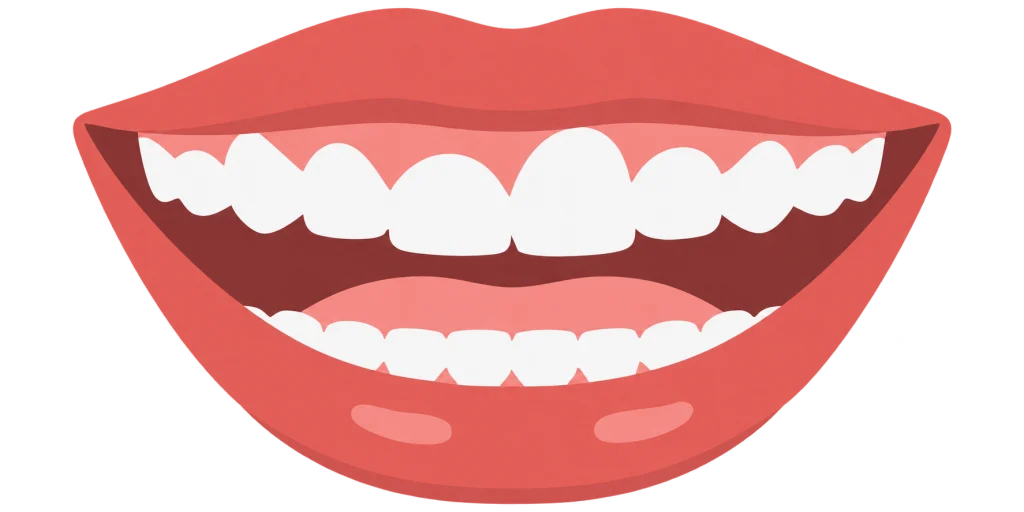
Some patients have gum margins around the front teeth that sit at different heights, making neighbouring teeth appear unequal in length.
If a patient wishes to adjust these proportions, gum contouring may be considered where clinically appropriate.
However, if the gums are healthy and the patient is satisfied with their smile, aesthetic treatment is not necessarily required.
3. Gummy Smile
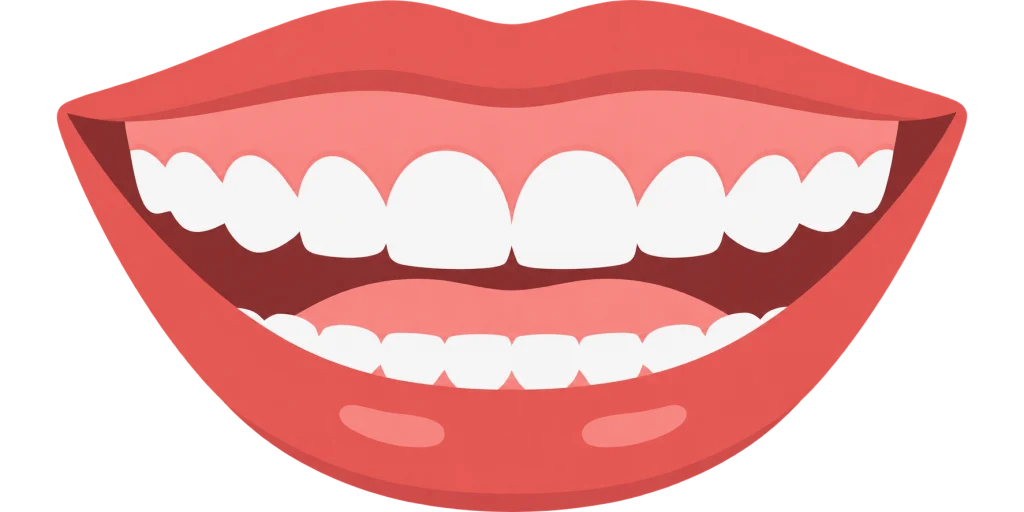
A gummy smile describes a smile in which a relatively large amount of gum tissue is visible.
There are several possible causes, including gum position, lip movement, tooth dimensions, and jaw structure.
For this reason, gum contouring is not the appropriate solution for every gummy smile. Identifying the underlying cause is an important part of treatment planning.
4. Thick, Bulky, or Enlarged Gum Tissue
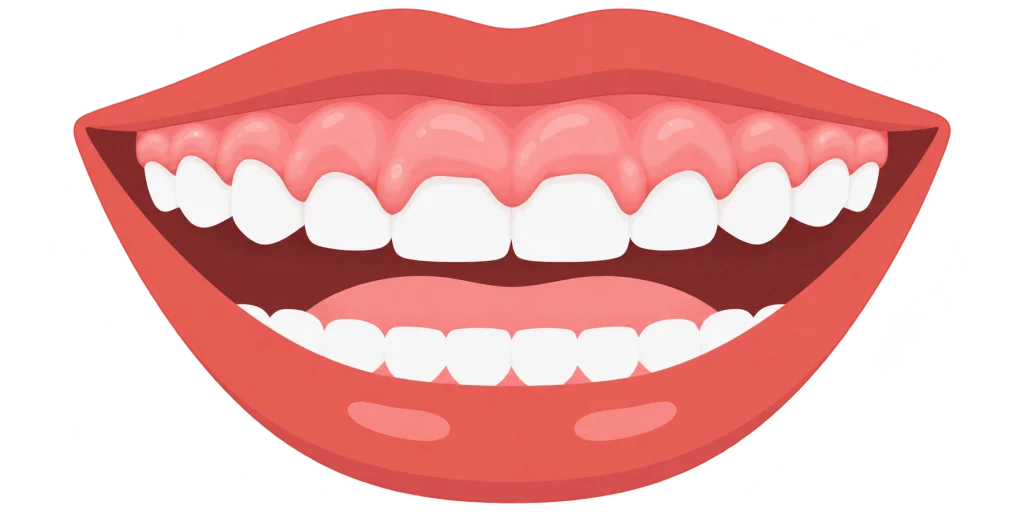
Gums may appear thick or bulky because of their natural tissue characteristics or other factors, including inflammation or gingival enlargement.
If the gums are swollen, bleed easily, or show unusual changes, the underlying cause should be investigated and managed first.
Surgical reshaping may be considered in some cases after the contributing factors have been addressed, but surgery is not always necessary.
5. Gum Preparation Before Ceramic Veneers or Dental Crowns
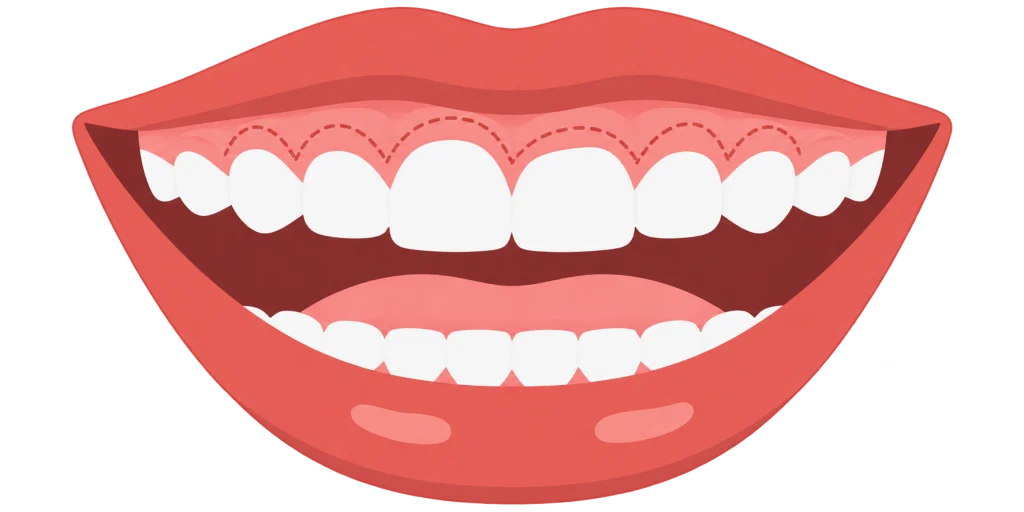
In some cases, ceramic veneers or dental crowns require careful consideration of gum levels and the amount of visible tooth structure.
If the gum line affects the design or placement of a restoration, gum surgery may form part of the overall treatment plan.
When additional clinical tooth structure needs to be exposed for restorative purposes, crown lengthening may be considered according to the clinical indications.
What Is the Difference Between Gum Contouring, Gingivectomy, and Crown Lengthening?
These terms are often mentioned together, but they do not mean exactly the same thing.
Gum Contouring is a general term for reshaping gum tissue or adjusting the gum line, particularly when discussing smile aesthetics.
Gingivectomy involves removing a portion of gum tissue for specific clinical indications, such as managing excess gingival tissue in suitable cases.
Crown Lengthening is a procedure intended to expose more of the tooth’s clinical crown. It may involve adjusting both gum tissue and the supporting bone to accommodate restorative or aesthetic treatment requirements.
The choice of procedure depends not only on the desired appearance but also on gum health, bone levels, tooth structure, and the health of the surrounding tissues.
How Is Gum Contouring Performed Using Electrosurgery?
At Veneerist Dental Clinic, certain gum contouring procedures may be performed using electrosurgery, depending on the patient’s oral condition and treatment plan.
Before treatment, the dentist examines the gums, teeth, and surrounding tissues, explains the proposed procedure, and administers local anaesthesia where appropriate to help reduce discomfort.
Electrosurgery uses high-frequency electrical energy to reshape gum tissue and may also help control bleeding during the procedure.
However, electrosurgery is not suitable for every case. Some patients may require another surgical approach or additional treatment involving the bone around the teeth.
After treatment, temporary soreness, swelling, or discomfort may occur. The dentist will provide personalised aftercare instructions and arrange follow-up appointments as needed.
The procedure and recovery time vary depending on the extent of treatment and each patient’s oral condition.
Before & After: Gum Contouring Cases at Veneerist Dental Clinic
Smile planning does not focus only on tooth colour and shape. In some cases, the relationship between the teeth and gum line also needs to be considered.
The following four cases illustrate different approaches to gum reshaping at Veneerist Dental Clinic. Some involve gum contouring, while others include additional restorative treatment.
Case 1 — Gum Contouring to Improve Tooth Proportions and Gum Line Appearance
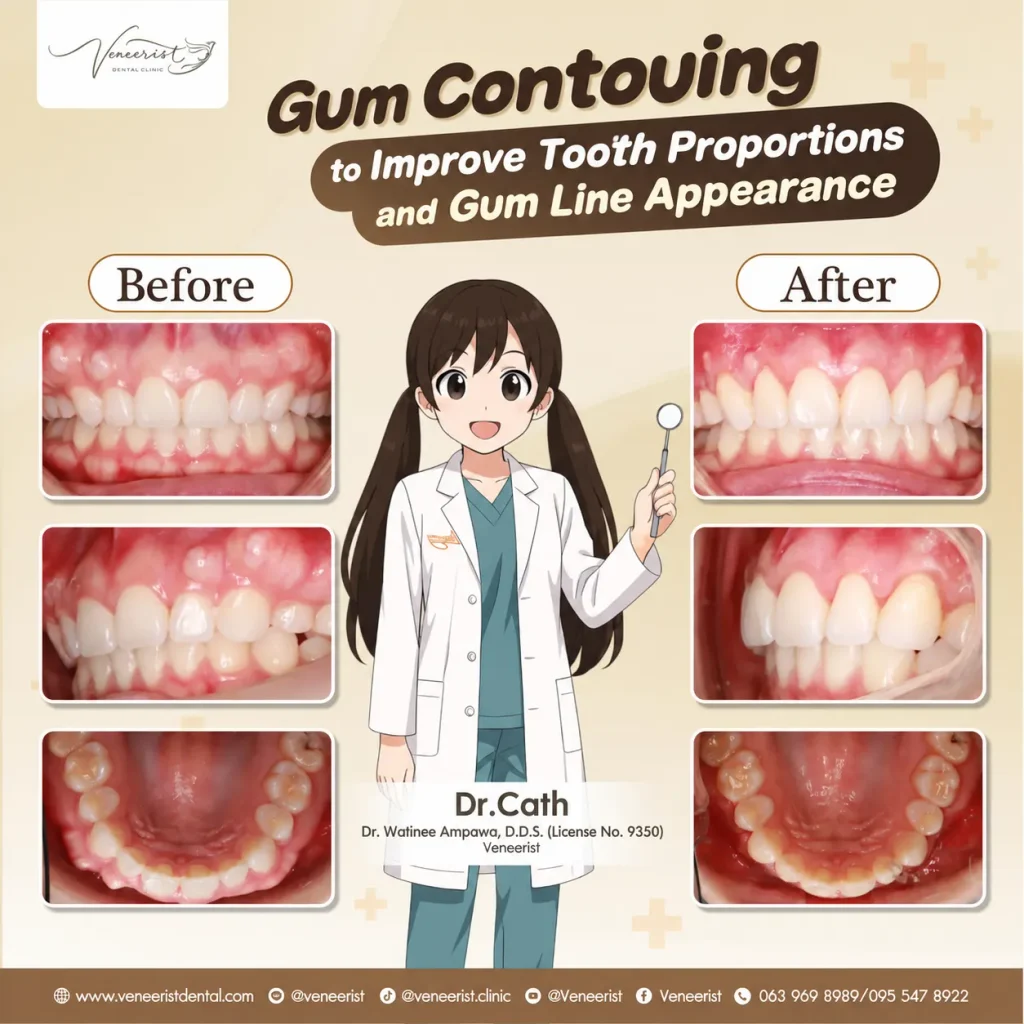
In this case, the gum tissue appeared bulky and covered part of the visible tooth surfaces.
Gum contouring was performed to adjust the shape and margins of the gum tissue.
The before-and-after photographs show changes in the visible tooth proportions and gum line following treatment.
The amount of tissue that can be reshaped depends on the individual gum anatomy and supporting structures.
Case 2 — Gingivectomy to Reshape the Gum Line Around the Front Teeth
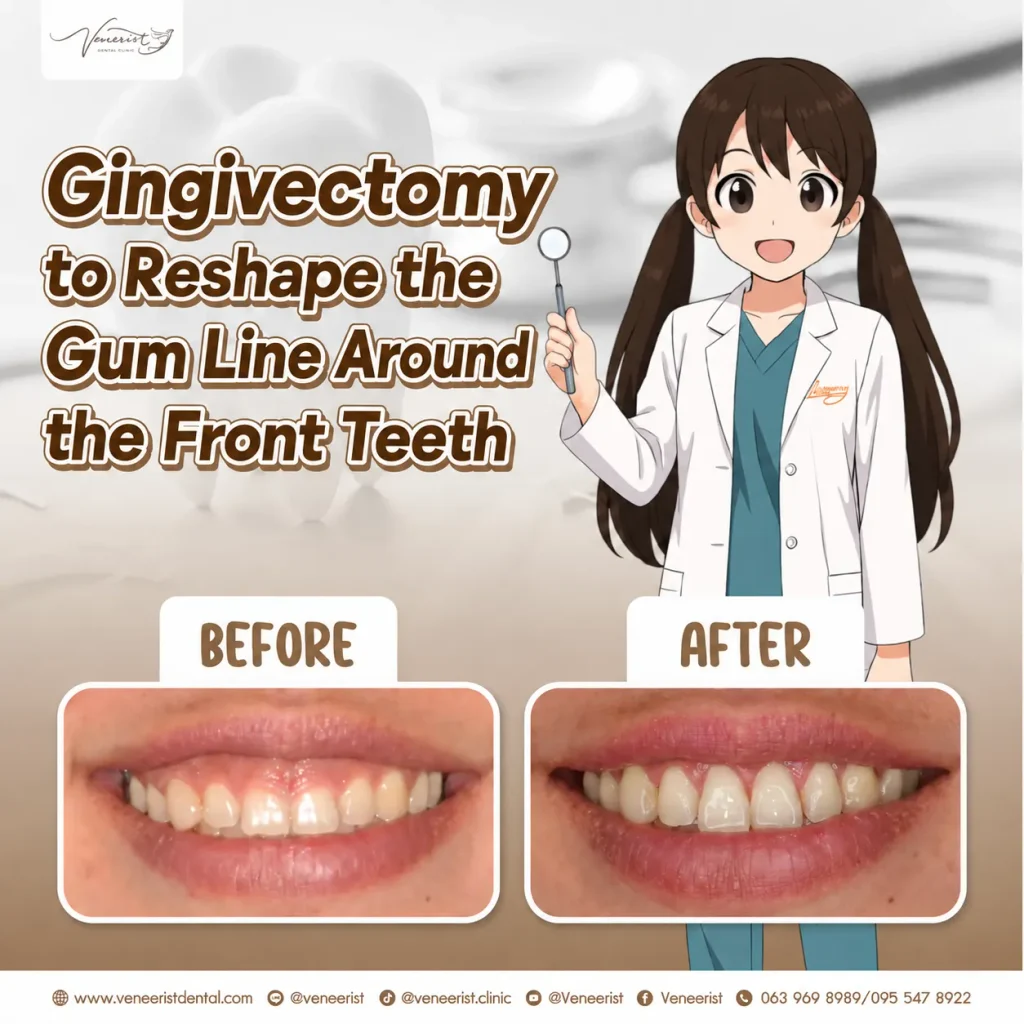
This case involved gingivectomy around the front teeth to adjust the gum margins and the proportions of the visible teeth.
The before-and-after photographs illustrate changes in the relationship between tooth length and the gum line, as well as the overall appearance of the smile.
The amount of gum tissue that can be safely adjusted depends on the patient’s gum condition and the supporting structures around the teeth.
Case 3 — Gum Contouring Combined With Dental Crown Adjustment
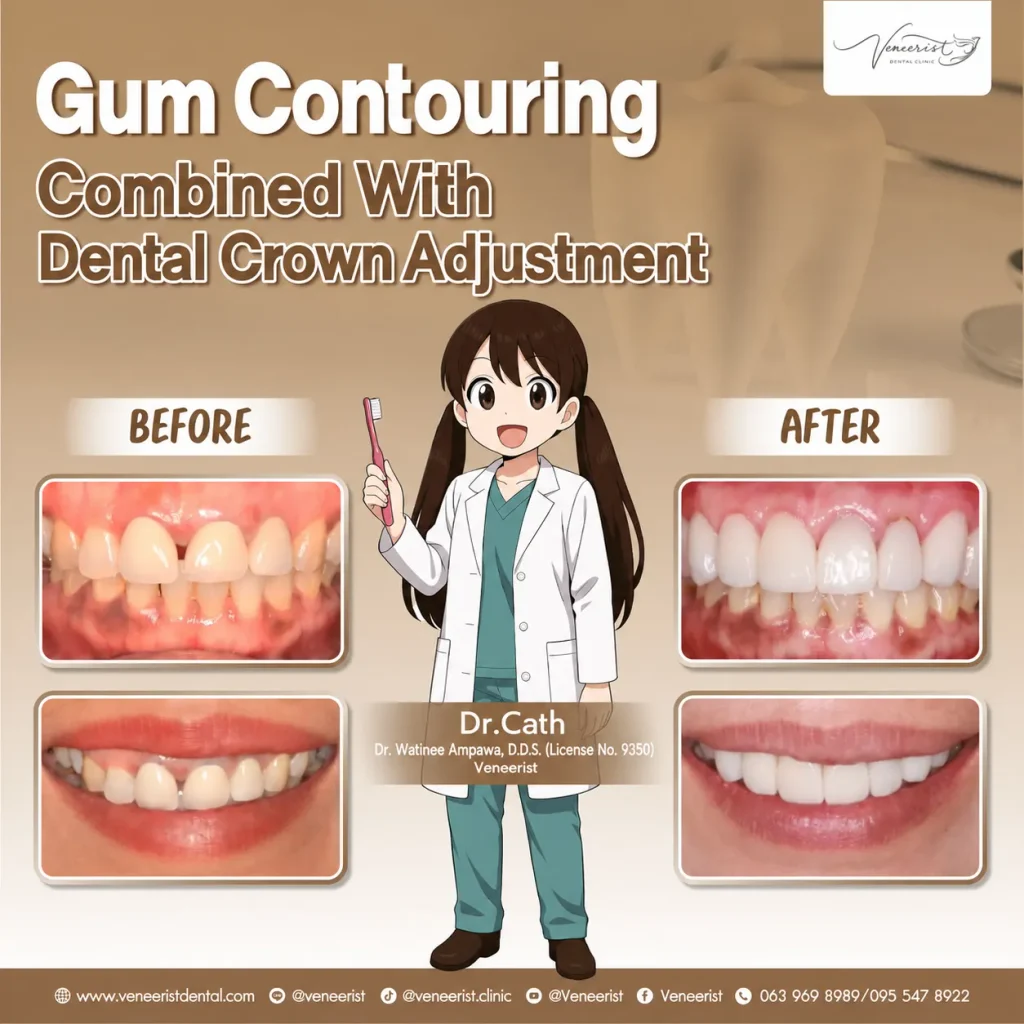
In this case, the existing dental crowns appeared short in relation to the neighbouring teeth and surrounding gum line.
Treatment planning involved gum contouring together with correction of the dental crowns to improve the relationship between tooth length, shape, and gum levels.
The before-and-after photographs show changes in the visible tooth proportions and overall smile following the combined treatment.
Case 4 — Gum Surgery Combined With Crown Replacement and Veneers
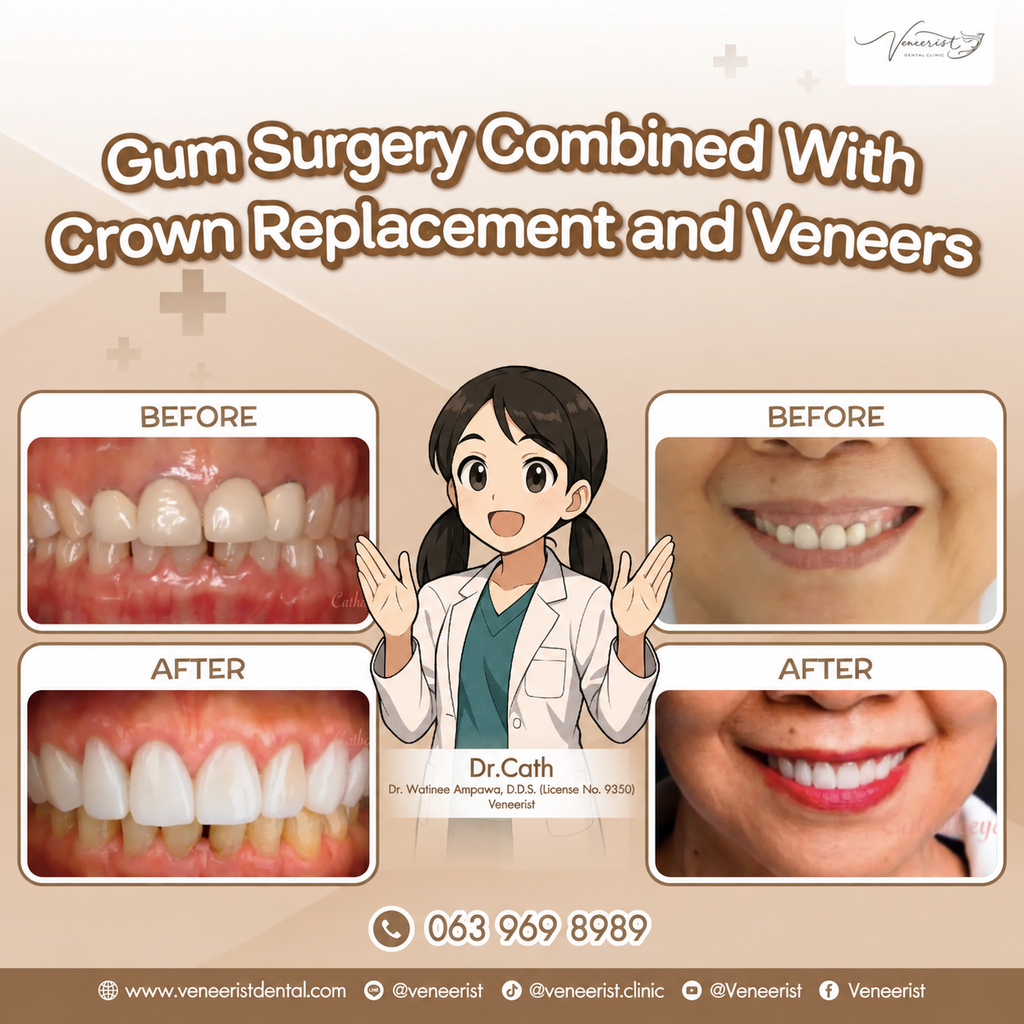
This case involved several treatment procedures, including gum surgery, replacement of existing dental crowns, and veneer treatment.
The aim was to adjust the gum line together with the shape, colour, length, and proportions of the teeth as part of the overall smile plan.
The before-and-after photographs show the combined result of several dental procedures. The changes should not be attributed to gum surgery alone.
Note: Before-and-after photographs represent individual treatment cases. Results vary depending on each patient’s dental condition, gum health, and treatment plan.
How Long Does It Take to Recover From Gum Contouring, and Are Stitches Required?
After gum contouring surgery, patients may experience soreness, swelling, or discomfort around the treated area. Recovery time depends on the amount of tissue treated, the surgical technique, and each patient’s oral condition.
It is important to understand that the time it takes for discomfort to improve is not necessarily the same as the time required for the gum tissue to heal fully and stabilise.
The First 1–3 Days After Treatment
Mild soreness or swelling may occur during the first few days.
We recommend choosing soft foods and avoiding hard, very hot, or spicy foods that may irritate the surgical area.
Follow your dentist’s instructions for cleaning the treated area, and avoid touching or disturbing the wound unnecessarily.
Do not brush or floss directly over the surgical site until your dentist advises that it is appropriate to do so.
Approximately 7–14 Days After Treatment
In many cases, gum tissue begins to recover, and symptoms such as soreness and swelling gradually improve.
Patients may be able to return to their usual daily activities as appropriate.
However, this does not mean that the gums have completely healed or reached their final position, particularly when the procedure has involved raising a gum flap or adjusting the underlying bone.
Will You Need Stitches Removed After Gum Surgery?
If gum contouring is performed using electrosurgery alone, stitches may not be necessary in some cases.
However, if the procedure involves raising the gum tissue or adjusting the bone around the teeth, sutures may be required.
At Veneerist Dental Clinic, when stitches that require removal are used, the dentist generally schedules a wound assessment and suture removal appointment approximately two weeks after surgery.
The actual timing depends on the procedure, type of sutures, and individual healing progress.
When Will the Gum Line Settle Into Its Final Position?
Even after discomfort has improved, the gum tissue may continue to change in shape and position over several weeks.
In some cases, it may take several months for the gum line to become sufficiently stable for the next stage of dental treatment.
This is particularly important for patients planning ceramic veneers or dental crowns, as the dentist needs to assess gum healing before proceeding with definitive restorations.
What Medications May Be Prescribed After Gum Contouring Surgery?
After gum contouring surgery, the dentist may prescribe medication depending on the procedure and the patient’s individual needs.
At Veneerist, medications that may be considered when clinically indicated include:
Amoxicillin is an antibiotic that may be prescribed in certain situations where there is a clinical indication, such as treating specific bacterial infections. Antibiotics are not routinely necessary for every gum contouring procedure.
Ibuprofen is a non-steroidal anti-inflammatory medication (NSAID) that may be used to help relieve pain, soreness, and inflammation following treatment.
Before prescribing medication, the dentist will review relevant medical conditions, medication allergies, current medications, and individual precautions.
Patients should take medications exactly as prescribed, avoid changing doses without professional advice, and should not self-prescribe antibiotics.
How Should You Care for Your Gums After Gum Contouring?
Appropriate aftercare plays an important role in gum healing.
- Choose suitable foods. During the early recovery period, select soft, easy-to-chew foods and avoid hard, sticky, or very hot foods that may irritate the surgical site.
- Maintain oral hygiene as instructed. Continue cleaning unaffected areas carefully, while following your dentist’s specific instructions for the surgical site.
- Avoid disturbing the wound. Do not repeatedly touch the treated area with your fingers or tongue, and avoid activities that may cause bleeding or trauma.
- Avoid smoking. Smoking can interfere with tissue healing.
- Attend follow-up appointments. These allow the dentist to assess healing and remove stitches if necessary.
If you experience persistent bleeding, worsening pain or swelling, fever, or other unusual symptoms, contact the clinic for assessment rather than waiting for your scheduled appointment.
When Can You Get Ceramic Veneers or Dental Crowns After Gum Contouring?
In some cases, gum contouring is part of a broader treatment plan involving ceramic veneers or dental crowns.
After gum surgery, the dentist needs to assess tissue healing and the stability of the gum line before proceeding with the relevant restorative stages.
Even when the gums no longer feel sore, the gum margins may continue to change as healing progresses.
For this reason, the absence of pain alone does not necessarily mean that the gums are ready for final ceramic restorations.
The appropriate waiting period depends on the surgical technique, the extent of tissue adjustment, and the position of the teeth being restored.
At Veneerist, we plan the sequence of treatment according to each patient’s oral condition, allowing the final restorations to be designed in relation to the healed gum tissues and functional requirements.
Summary: Is Gum Contouring Necessary for Everyone?
Gum contouring is a dental treatment option that may help adjust gum lines and visible tooth proportions. In some cases, it may also form part of a treatment plan involving ceramic veneers or dental crowns.
However, not everyone with short-looking teeth, uneven gum levels, or a gummy smile needs gum surgery.
If your teeth and gums are healthy, there are no functional concerns, and you are satisfied with your smile, additional aesthetic treatment may not be necessary.
On the other hand, swollen gums, frequent bleeding, or unusual tissue enlargement should be examined by a dentist, even when appearance is not a concern.
At Veneerist Dental Clinic in Krabi, we focus on assessing the teeth, gums, and surrounding tissues to determine suitable treatment options for each patient.
A balanced smile does not mean everyone needs the same gum line. It means considering oral health alongside individual needs and preferences.
FAQ — Frequently Asked Questions
Does Gum Contouring Hurt?
Local anaesthesia is generally used where appropriate to help reduce discomfort during the procedure.
However, patients may still experience pressure or other sensations during treatment, followed by temporary soreness or swelling after the anaesthetic wears off.
Individual experiences vary.
Do You Need Gum Surgery if You Have a Gummy Smile?
Not necessarily.
A gummy smile may be related to gum position, lip movement, tooth dimensions, or jaw structure.
A dental assessment is needed to identify the underlying cause and determine whether gum contouring is suitable.
Is Electrosurgical Gum Contouring the Same as Laser Gum Contouring?
No.
Electrosurgery uses high-frequency electrical energy to reshape tissue, while laser treatment uses focused light energy.
They are different technologies and should not be described interchangeably.
Does Every Gum Contouring Procedure Require Stitches?
No.
Some electrosurgical gum contouring procedures may not require sutures.
However, stitches may be necessary if the procedure involves raising gum tissue or adjusting the underlying bone.
When Are Stitches Removed After Gum Surgery?
At Veneerist, when removable sutures are used, the dentist generally schedules a follow-up appointment for assessment and stitch removal approximately two weeks after treatment.
The exact timing depends on the surgical procedure and healing progress.
How Long Does Recovery Take After Gum Contouring?
In many cases, soreness and swelling gradually improve over approximately 7–14 days.
However, the gum tissue may continue healing and changing in shape for several weeks or months, depending on the treatment performed.
Does Everyone Need Antibiotics After Gum Contouring?
No.
Antibiotics are prescribed only when clinically indicated. Amoxicillin may be considered in certain cases, while ibuprofen may be prescribed for pain and inflammation when appropriate.
Medication decisions depend on the patient’s medical history and treatment needs.
Can Ceramic Veneers Be Placed Immediately After Gum Surgery?
Not always.
Depending on the type of gum surgery and the healing process, the dentist may recommend waiting until the tissues and gum margins are sufficiently stable before placing definitive ceramic restorations.
Can the Gums Return to Their Previous Shape After Contouring?
The long-term appearance of the gum line depends on the original condition, surgical technique, healing process, and underlying causes.
Some changes in gum position may occur during healing, and gum enlargement may recur if contributing factors remain.
A permanent, unchanged gum line cannot be guaranteed.
Concerned About Short-Looking Teeth, Uneven Gum Lines, or a Gummy Smile? 🦷🤍
At Veneerist Dental Clinic in Krabi, we assess the teeth, gums, and overall smile to help determine suitable treatment options for each patient.
Whether you are considering gum contouring alone or a treatment plan involving ceramic veneers or dental crowns, our dentist will evaluate your oral condition and discuss the relevant clinical indications.
Not everyone with a gummy smile or uneven gum line needs surgery. A dental examination is an important first step in understanding your options.
📍 Veneerist Dental Clinic
Maharaj Road, Mueang Krabi, Thailand
Contact our team to learn more or arrange a dental consultation. 🤍