What Is a Dental Crown? Benefits, Treatment Process, and Differences from Veneers
A dental crown may be recommended when a tooth is fractured, severely worn, or extensively decayed. It covers the remaining tooth structure to help restore its shape, appearance, and chewing function. Your dentist will assess whether the tooth can be restored and which treatment is appropriate.
At Veneerist Dental Clinic, we provide custom-made all-ceramic crowns, including zirconia crowns. Each crown is made in collaboration with a dental laboratory, with the material, shade, and shape selected according to the tooth’s location, bite, and individual treatment needs.
When Is a Dental Crown Recommended?
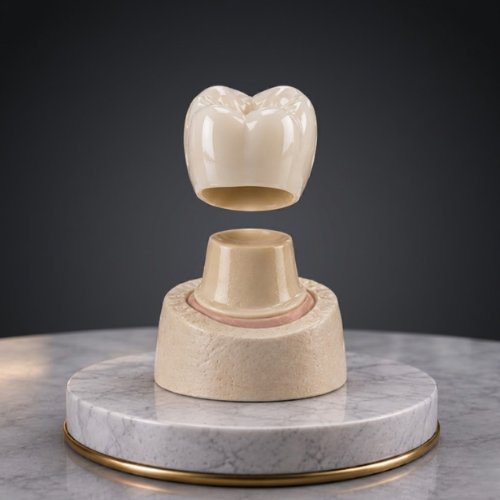
A dental crown is a custom-made restoration that covers the visible part of a prepared tooth. It helps protect the remaining tooth structure and restore the tooth’s shape and function.
Composite fillings can restore many small to moderate cavities. However, when a large amount of tooth structure has been lost, a filling alone may not provide sufficient support.
A crown or another restoration that protects the cusps may be recommended to reduce the risk of further damage. The choice depends on the amount of healthy tooth structure remaining, the location of the tooth, and the forces placed on it during chewing.
Clinical Indicators: What Structural Concerns Require Restorative Crown Intervention
A dental crown may be considered in the following situations. Your dentist will assess the tooth and discuss suitable treatment options before making a recommendation:
Severe Multi-Surface Caries: Decay has eroded the tooth structure to a degree where there is insufficient healthy enamel remaining to reliably retain or bond a standard filling.
Teeth After Root Canal Treatment: A crown may be needed, particularly for molars or teeth with substantial loss of tooth structure, to reduce the risk of fracture. Your dentist will assess the tooth’s location, remaining structure, and chewing forces before recommending the appropriate restoration.
Structural Fractures or Micro-Cracks: Natural dentition that has sustained structural chips, cracks, or severe structural attrition from traumatic injuries or chronic nocturnal bruxism (severe teeth grinding).
Dental Implant Superstructures: An implant-supported crown replaces the visible part of a missing tooth. It is connected to the dental implant through an abutment and designed to suit the surrounding teeth and bite.
Complex Aesthetic Anomalies: Patients presenting with intrinsic severe discoloration, pulpal necrosis (dead nerves), severe enamel hypoplasia, or structural anomalies that cannot be successfully masked or rectified via standard teeth whitening or conservative veneers.
Why We Use All-Ceramic Crowns
At Veneerist Dental Clinic, we use all-ceramic crowns, including zirconia. These metal-free materials can provide a natural-looking appearance while restoring tooth function.
Different ceramics have different optical and mechanical properties. Your dentist will recommend a material based on the tooth’s location, remaining structure, bite, and aesthetic needs.
Clinical Head-to-Head: Dental Crowns vs. Aesthetic Veneers vs. Fixed Bridges
Comprehensive Comparative Matrix
The Veneerist Crown Protocol: Our 4 Meticulous Steps to Perfection
Fabricating a premium custom restoration typically spans 2 to 3 unhurried clinical sessions, executed with absolute clinical care:
Comprehensive Diagnostics & Radiography: Your specialist performs a thorough oral health check and captures high-definition digital radiographs to check the roots and surrounding bone matrix. Any active decay is fully treated before commencing.
Precision Preparation & Digital Mapping: Under highly comfortable, targeted local anesthesia, your practitioner conservatively prepares the tooth structure down to an idealized foundation core. We then capture precise 3D digital intraoral scans to transfer your exact micro-coordinates directly to our elite laboratory.
Provisional Restoration Placement: While your permanent masterpiece is engineered by master lab technicians (averaging 5–7 days), a high-quality temporary crown is placed to protect the tooth from sensitivity and maintain gentle function.
Final Delivery & Permanent Bonding: The provisional set is removed, and your final permanent crown is meticulously verified for fit, shade harmony, and bite alignment. Once it passes all quality checks, it is permanently bonded using high-integrity, medical-grade adhesive resin.
Dental Crown Fees
Elite Restorative Fee Schedule
Caring for Your Dental Crown After Treatment
While ceramic crowns themselves do not develop cavities, the natural tooth structure and surrounding gums still require regular care. The living natural tooth structure beneath the crown and the surrounding gums require care to help maximize the longevity of your restoration.:
Daily Oral Hygiene: Maintain meticulous brushing and brush along the cervical margin line daily. Daily flossing is strongly recommended to prevent bacterial plaque accumulation where the crown meets your natural tissue.
Avoid Excessive Force on the Crown: Avoid utilizing your teeth as tools to tear open heavy packaging, or biting down directly on extremely dense objects like ice, bone fragments, or hard nuts, which may damage the crown or natural teeth.
Night Guard Protection: If you have a clinical history of severe nocturnal bruxism, inform our team. We will custom-craft a premium night guard to buffer and help protect the crown and natural teeth from excessive grinding forces.
Bi-Annual Clinical Reviews: Attend professional cleanings and check-ups every 6 months to monitor the condition of the crown, surrounding teeth, and gums.
Why Choose Veneerist Dental Clinic Krabi
Experienced Restorative Dental Care: Every step is planned and executed by experienced dental professionals specializing in cosmetic and restorative restorations, focusing on restoring function, comfort, and aesthetics.
High-Quality Ceramic Materials: We partner exclusively with trusted dental laboratory partners to source high-quality ceramic crown materials that are designed to resemble the appearance of natural teeth.
Attention to Fit and Marginal Adaptation: We focus extensively on achieving a well-adapted crown margin at the margin interface, helping reduce the risk of food impaction or secondary decay beneath the appliance.
“Helping restore strength, function, and appearance to damaged teeth.” Avoid letting a compromised tooth fracture further. Schedule a consultation with our dental team. at Veneerist Dental Clinic across any of our official communication channels.
Meet Our Elite Team of Highly Experienced Specialists
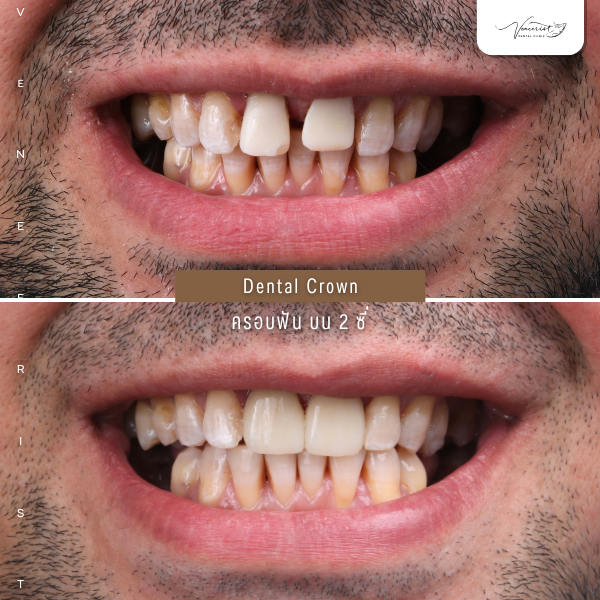
Real Patient Cases: Before & After Crown Treatment