Professional Dental Scaling: Maintaining Healthy Teeth and Gums
Healthy gums play an important role in maintaining a healthy smile. Over time, even with disciplined oral hygiene, microscopic soft food debris and salivary minerals combine to form a resilient, calcified matrix known as dental calculus or tartar. Once this substance hardens across the dental anatomy, it cannot be removed by standard residential brushing alone. Professional dental scaling is a preventive treatment that removes plaque and tartar deposits from the teeth and gumline. Veneerist Dental Clinic Krabi, we elevate routine hygiene into a therapeutic wellness experience, utilizing advanced technologies to safeguard your gums and support long-term oral health.
What is Dental Calculus? Why Does Tartar Accumulate Despite Daily Brushing?
Many patients are surprised to learn that dental calculus can develop despite strict daily brushing. The biological process begins instantly after meals: a fine, invisible film of protein and bacteria known as Dental Plaque (Biofilm) forms over the enamel surfaces, particularly along the delicate cervical margins (gumline) and complex interdental spaces.If this soft plaque layer is not thoroughly disrupted via flossing and brushing within 24 to 48 hours, it undergoes continuous chemical mineralization. Calcium and phosphate ions present naturally within your saliva precipitate into the plaque matrix, turning it into a hard, cement-like structure known as Calculus or Tartar. Once calcified, this structure acts as a porous shield that harbors millions of active pathogenic bacteria, completely sealed against commercial toothbrushes and dental floss.
The Hazards of Neglect: The Hidden Complications of Untreated Calculus
Allowing calculus to accumulate unchecked triggers a destructive, chronic inflammatory chain reaction throughout your supporting oral structures:
Gingivitis: The dense bacterial colonies within tartar consistently release metabolic toxins, causing your gums to become red, swollen, tender, and prone to spontaneous bleeding during brushing.
Periodontitis / Pyorrhea: If gingivitis is left untreated, the chronic inflammation migrates deeply, destroying the periodontal ligaments and the underlying alveolar bone mass. As the bone progressively resorbs, your gums recede, creating deep “periodontal pockets” that cause permanent tooth mobility and can eventually lead to teeth falling out.
Chronic Halitosis: Calculus acts as a persistent reservoir for anaerobic bacteria, which break down organic debris to release volatile sulfur compounds, resulting in persistent bad breath that cannot be masked by mouthwashes.
5 Critical Red Flags: Indicating an Immediate Need for Professional Scaling
Dental calculus build-up stems from the accumulation of bacteria and food debris that mineralizes with salivary compounds. If you identify any of the following clinical anomalies, consider scheduling a dental examination:
Visible Yellow, Brown, or Dark Deposits: Hardened, unappealing calcified rings accumulating around the cervical margins of your teeth, interdental spaces, or behind the lower anterior teeth.
Persistent Halitosis (Bad Breath): An ongoing unpleasant taste or odor that remains shortly after brushing or utilizing commercial mouthwashes.
Spontaneous Bleeding While Brushing: Gums that bleed under normal mechanical pressure or exhibit visible swelling, redness, and active inflammation.
Mild to Chronic Tooth Sensitivity: Sharp discomfort experienced when consuming cold, hot, or highly sweetened fluids.
Visible Tooth Mobility or Gum Recession: Feeling that teeth are shifting or noticing that gums have receded, exposing longer root surfaces.
Dental Scaling vs. Root Planing: Understanding the Clinical Boundaries
While both procedures target oral bacteria, they are prescribed at different stages of periodontal disease depending on how deeply the calculus has penetrated:
Scaling: A standard prophylactic treatment focused on removing calcified tartar deposits situated above the gumline and within shallow sulcular spaces. It is recommended for healthy patients or those experiencing mild gingivitis, and is typically completed in a single session.
Root Planing: Cleaning plaque and calculus from root surfaces beneath the gums to treat periodontitis. Local anesthesia may be used, and treatment may be divided into several visits depending on the condition of the gums and the extent of treatment required.
A Medical Warning: Risks of Using At-Home Scaling Tools
Currently, there are viral videos and online advertisements selling DIY scaling tools for home use. Licensed dental professionals strongly caution that this practice is exceptionally hazardous and should be completely avoided:
Risk of Severe Infections: Consumer tools lack medical-grade sterilization (Sterilization processes). Using unsterile instruments beneath the gumline can force bacteria into hidden spaces, leading to acute systemic infections via oral wounds.
Permanent Enamel Damage: Applying pressure at the incorrect angulation or using uncalibrated instruments will damage or scratch the protective enamel layer, inducing agonizing, permanent tooth sensitivity and making it easier for future tartar to bond.
Soft-Tissue Lacerations: Accidental slippage can instantly slash delicate gingival tissues, leading to bleeding or acute tissue inflammation.
Debunking Myths: Does Professional Scaling Hurt or Permanently Thin the Enamel?
Many patients avoid visiting the dentist due to persistent misconceptions about enamel reduction. We are here to clarify the scientific facts:
Does it cause pain?: Patients may experience soreness or temporary sensitivity during scaling, particularly when there is substantial tartar buildup or gum inflammation. Removing deposits below the gumline may cause more discomfort than routine cleaning. Please tell your dentist if you feel pain so they can adjust your care.
Does scaling thin your teeth? Professional scaling is intended to remove plaque and calculus, not to grind down healthy tooth structure. Your dentist selects appropriate instruments, settings, and pressure to minimize effects on tooth surfaces. Spaces that become more noticeable afterward may have previously been filled with calculus.
Clinical Comparison: Standard Ultrasonic Scaling vs. Advanced Airflow Stain Removal
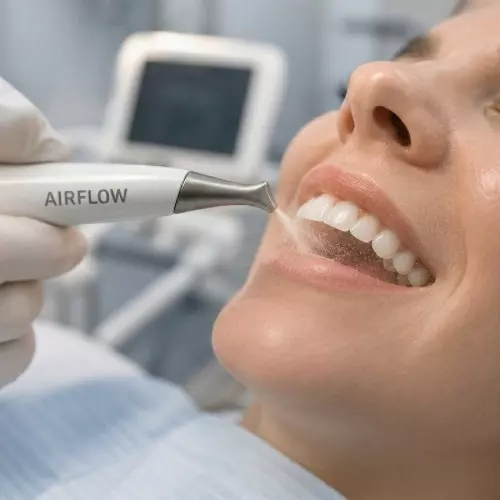
For individuals who smoke or regularly enjoy tea and coffee—resulting in deep aesthetic surface stains that standard scaling cannot fully erase—Veneerist provides advanced Airflow (Dental Spa) therapy:
High-Risk Profiles: Patient Demographics Requiring Prior Medical Notification
To ensure maximum safety, patients presenting with the following medical histories must inform our clinical team prior to initiating any treatment:
Cardiovascular Diseases, Hypertension, or Diabetes: High-frequency ultrasonic vibrations can potentially interact with medical devices, or poorly controlled blood sugar may affect blood clotting and soft-tissue healing.
Patients Taking Anticoagulant or Antiplatelet Medications: Inform your dentist about all medications before treatment. Do not stop or change your medication yourself. If any adjustment is necessary, your dentist will coordinate with the prescribing physician based on your medical condition and the planned procedure.
Pregnancy: Dental scaling can generally be performed safely throughout pregnancy when clinically appropriate. Inform your dentist of your pregnancy, gestational age, and any pregnancy-related complications. The second trimester may be more comfortable for planned appointments, but necessary treatment should not be delayed solely because of the trimester.
The Dental Scaling Process: 4 Key Steps
Comprehensive Intraoral Diagnostic Audit: Your dentist performs a thorough visual and periodontal check to map calculus distribution, evaluate gum health, and check for any hidden decay.
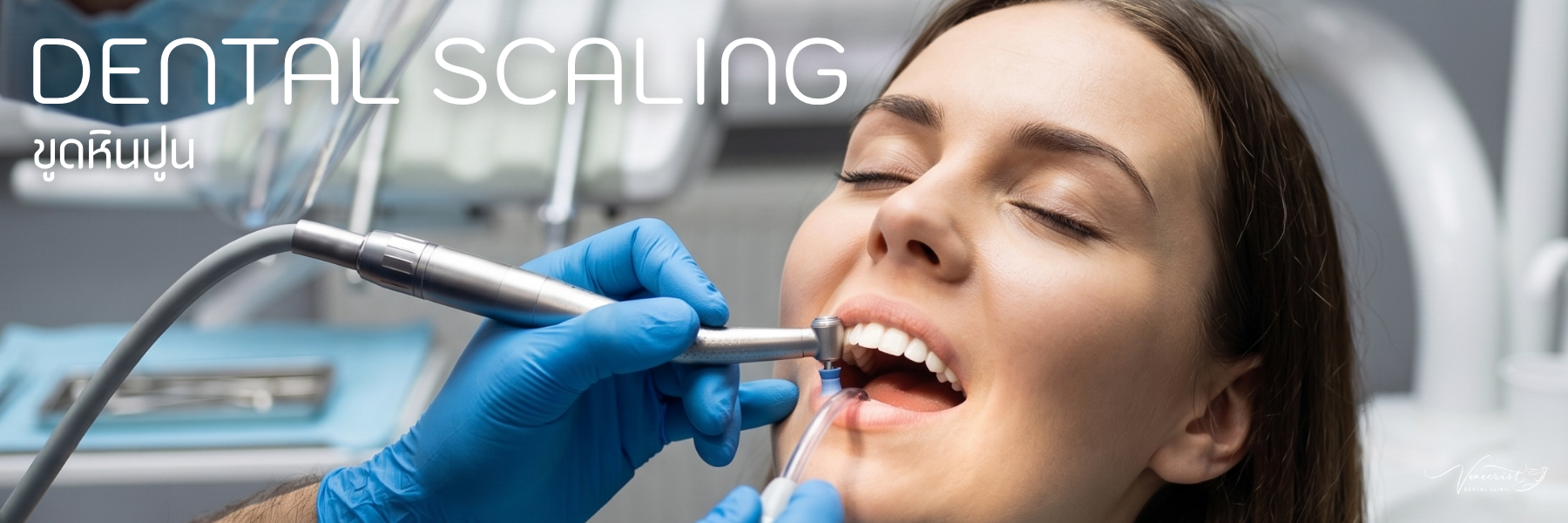
Precision Ultrasonic Calculus Dislodgement: We utilize fine, state-of-the-art ultrasonic tips to gently lift hardened tartar sheets, adjusting the settings according to your clinical needs and comfort level.
Advanced Fine-Paste Prophylactic Polishing: We utilize a slow-speed rubber cup paired with a premium, non-abrasive fluoridated polishing paste to smooth out micro-textures on the enamel, helping keep your smile bright and clean.
Therapeutic Topical Fluoride Application: Topical fluoride may be applied after cleaning to help strengthen enamel and reduce sensitivity, depending on your individual needs.
Post-Treatment Longevity Guide: Caring for Your Teeth and Gums After Scaling
The Initial 24-Hour Window: Abstain from extreme hot or cold fluid temperatures to avoid triggering transient tooth sensitivity.
Avoid Irritating Foods: Refrain from highly spicy, acidic, or fermented dishes to minimize irritation to healing gingival tissues.
Pristine Prophylactic Maintenance: Maintain rigorous oral hygiene by brushing at least twice daily with an ultra-soft bristle brush and “always incorporate daily interdental flossing” to prevent plaque from re-calcifying.
Managing Temporary Bleeding: Experiencing mild, transient blood oozing or light sensitivity for 1–2 days post-treatment is completely normal. The tissues will quickly recover, allowing your gums to gradually return to a healthier condition.
Scaling and Dental Spa Fees
Why Choose Veneerist Dental Clinic Krabi
Gentle and Patient-Centered Care for Anxious Patients: Our highly experienced dental professionals understand dental anxiety. We perform all procedures with an exceptionally gentle touch and pace to minimize sensitivity. If you experience discomfort at any point, simply raise your hand to rest or request a topical desensitizing gel or local anesthesia evaluation.
State-of-the-Art Deep Cleansing Innovations: We select exclusively advanced high-frequency ultrasonic scaling technologies engineered to systematically shatter hard tartar while preserving your enamel, alongside premium Airflow (Dental Spa) options to effortlessly erase heavy, stubborn stains.
Strict Sterilization and Infection Control Protocols: Every clinical instrument undergoes strict international Class-B medical autoclave sterilization workflows, individually sealed and freshly opened for each unique case to support patient safety.
Social Security Dental Benefit Support: Veneerist Dental Clinic is currently not enrolled in the Social Security direct billing (MOU) program. Eligible insured patients may claim reimbursement by submitting the clinic receipt and medical certificate to the Social Security Office, either in person or through the official online reimbursement system. Our team will gladly prepare all required documentation and guide you through the process to ensure a smooth and convenient experience.
Meet Our Elite Team of Highly Experienced Specialists