What is a Dental Filling? Is the Procedure Painful?
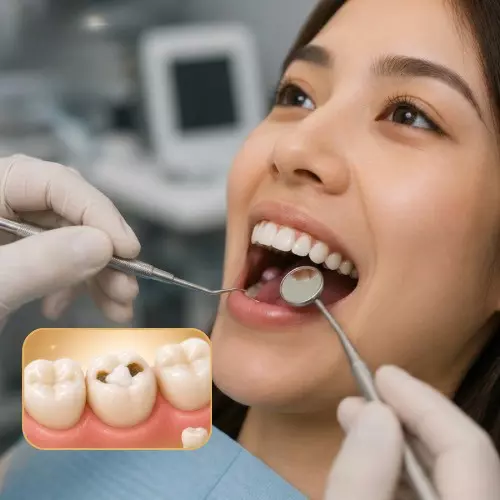
Tooth decay, minor fractures, and chipped teeth are common dental conditions that are frequently overlooked until severe complications arise. Undergoing a professional Dental Filling at an early stage is often the most conservative way to restore the tooth to fully safeguard your natural tooth structure and root vitality. At Veneerist Dental Clinic Krabi, we provide dental filling treatments using high-quality restorative materials that match the natural shade of your teeth as closely as possible. Every procedure is masterfully executed with structural precision by our highly experienced dental specialists to restore appearance and chewing function.
Signs You May Need a Dental Filling
Many individuals remain completely unaware of developing dental caries until painful symptoms manifest. If you identify any of the following clinical indicators, schedule a dental examination to prevent deep-seated nerve exposure:
Sharp, Transient Tooth Sensitivity: Experiencing acute discomfort when consuming extreme cold, hot, or highly sweetened liquids.
Masticatory Discomfort or Pain: Feeling a sharp twinge or localized pressure when chewing or biting down on specific dental angles.
Visible Structural Discoloration or Cavities: Explicitly noticing dark spots, grey stains, or micro-voids accumulating across the enamel surfaces.
Persistent Food Impaction: Debris chronically trapping within the exact same interdental space, frequently driven by hidden proximal caries or fractured pre-existing fillings.
Structural Fractures or Chipped Enamel: Experiencing physical enamel loss due to unexpected mechanical trauma or accidental biting forces.
What Material Is Used for Dental Fillings?
At Veneerist Dental Clinic, we use tooth-colored composite resin for dental fillings. Composite resin is designed to blend naturally with the surrounding tooth structure while restoring both function and appearance.
Benefits of Composite Resin Fillings
- Matches the natural color of your teeth
- Suitable for both front and back teeth
- Bonds directly to tooth structure
- Requires minimal removal of healthy tooth tissue
- Provides good strength and aesthetics for everyday function
Debunking Myths: Does the Dental Filling Procedure Cause Pain?
Comfort during a filling varies depending on the depth and location of the cavity and individual sensitivity. Local anesthesia may be used when appropriate. Tell your dentist if you feel pain so they can pause and adjust your care.
Superficial Caries – Enamel Level: If the decay is confined strictly to the outer enamel layer, you will experience only minor vibration or mild pressure during the removal of infected debris. For small cavities, some patients may not require local anesthesia. However, treatment recommendations vary depending on the location of the cavity and individual sensitivity.
Deep Caries – Near the Dental Pulp: If the decay approaches the delicate nerve chamber, our specialists will precisely administer a targeted localized anesthesia prior to commencing care. This ensures that the cleaning and structural restoration stages are as comfortable as possible, allowing you to relax completely during your session.
Transparent Fee Architecture: Custom Restorative Pricing Menu
Dental filling price
The Veneerist Restorative Protocol: Our 5-Step Path to Perfection
We execute every restorative reconstruction with rigorous clinical movement to ensure long-term bonding integrity:
Comprehensive Audit & Radiography: Your practitioner evaluates the precise boundaries of the decay. For deep cavities, high-definition digital radiography is captured to verify whether the lesion has breached the internal dental pulp chamber.
Caries Removal: The dentist removes decayed tooth tissue as appropriate for the depth of the cavity. In deep cavities, selective removal may be used to reduce the risk of exposing the dental pulp. Local anesthesia is provided when needed.
Protective Cavity Liner: When a cavity extends close to the nerve, a protective liner may be placed beneath the filling to help protect the dental pulp and reduce the risk of postoperative sensitivity.
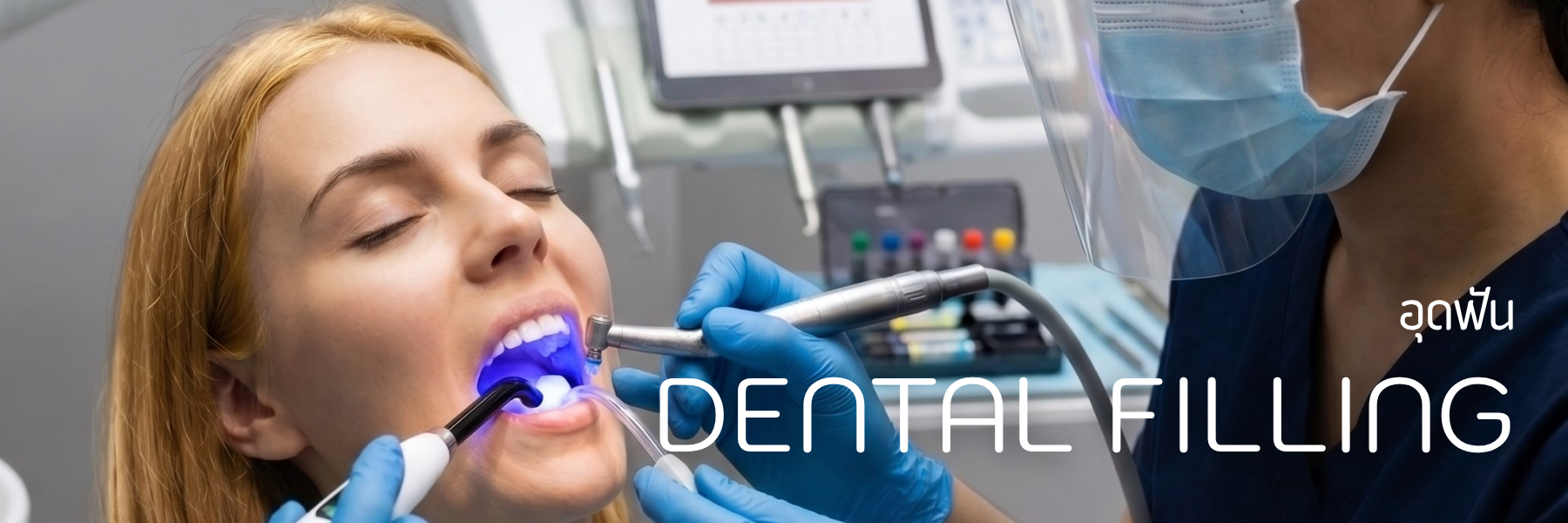
Layered Polymerization & Curing: The premium, shade-matched composite resin is meticulously built up in layers and cured using a high-intensity Curing Light to ensure exceptional, long-lasting structural strength.
Artistic Contouring & Occlusal Verification: The surface is beautifully sculpted and polished smooth, followed by a precise bite check to eliminate high spots and ensure flawless, natural jaw movement.
Aftercare Instructions for Dental Fillings
Eating and Drinking After Composite Fillings: Composite resin fillings are hardened immediately using a curing light. In most cases, patients can eat and drink shortly after treatment. If local anesthesia was used, wait until the numbness has completely worn off before eating to avoid accidentally biting your lips, cheeks, or tongue.
Avoid Excessive Force on the Treated Tooth: Avoid biting directly down on very hard or sticky foods (such as ice, hard candy, or dense caramels) over the newly treated zone during the first two days.
Temporary Sensitivity After Treatment: Experiencing mild temperature sensitivity for 1–2 weeks following deeper fillings is a perfectly normal biological response as the pulp adjusts. If severe, spontaneous pain or bite discomfort occurs, contact our clinic for an examination.
Why Choose Veneerist Dental Clinic Krabi
Experienced Dental Team: Your care is planned and monitored by highly experienced practitioners who provide clinical advice with personalized treatment recommendations and clear communication.
Natural-Looking Composite Restorations: We use high-quality composite resin materials designed to blend naturally with the surrounding tooth structure.
Strict Sterilization and Infection Control Protocols: Every single instrument undergoes strict, international Class-B medical autoclave sterilization workflows, maintaining strict sterilization and infection control standards.
Transparent Treatment Fees: Complete fees are disclosed thoroughly upfront before initiating treatment. Social Security Dental Benefit Information: Veneerist Dental Clinic is currently not participating in the Social Security direct reimbursement (MOU) program. Eligible insured patients may pay for their treatment in advance and submit their receipt and medical certificate to the Social Security Office for reimbursement, either in person or through the official online reimbursement system.
“Treating cavities early helps preserve natural tooth structure and may prevent more complex treatment in the future.” Early treatment is often simpler, more conservative, and more cost-effective than treating advanced decay. Schedule a consultation with our dental team today. at Veneerist Dental Clinic across any of our booking channels.
Meet Our Elite Team of Highly Experienced Specialists