
Why Consider Dental Veneers in Thailand? A Guide for Norwegian Patients
For people living in Norway who are considering improving their smile with ceramic veneers, seeking dental treatment abroad may be an option worth exploring, particularly if they are already planning to visit Thailand.
However, choosing to have veneers fitted overseas involves more than comparing treatment prices or arranging a holiday. The quality of dental care, suitability of the materials, healthcare entitlements and access to follow-up treatment are all important considerations.
For Norwegian residents interested in dental veneers in Thailand, this guide explores what to consider before making a decision, including how Norway’s dental healthcare system works, what to look for in a dental clinic and how to plan for ongoing care after returning home.
1. How Does Norway’s Dental Healthcare System Affect Veneer Treatment?
Norway has a well-established public healthcare system, but dental services are funded differently from many other medical treatments.
According to Helsenorge, Norway’s official health information service, most adults are generally responsible for paying for their own dental treatment. Certain groups and specific medical or dental conditions may qualify for financial support.
For people considering veneers primarily for cosmetic reasons, such as changing the colour, shape or proportions of otherwise healthy teeth, public financial support should not be assumed.
Eligibility depends on individual circumstances and the applicable rules, rather than simply on the type of dental treatment requested.
Before choosing treatment in Norway or abroad, it is sensible to check your personal entitlements and understand which costs you may need to cover yourself.
2. Why Might Norwegian Residents Consider Ceramic Veneers in Thailand?
Thailand offers a range of private dental services, including cosmetic dentistry and ceramic veneers.
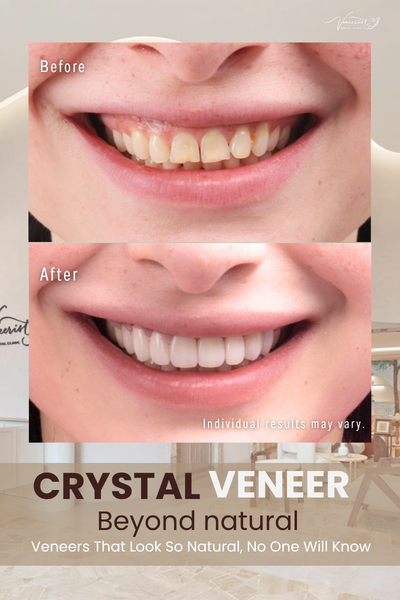
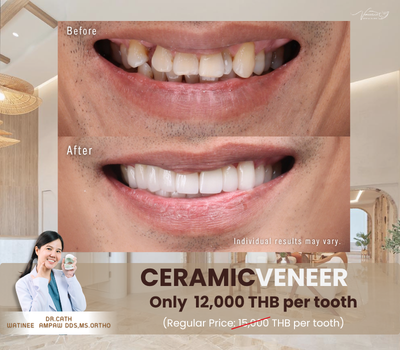
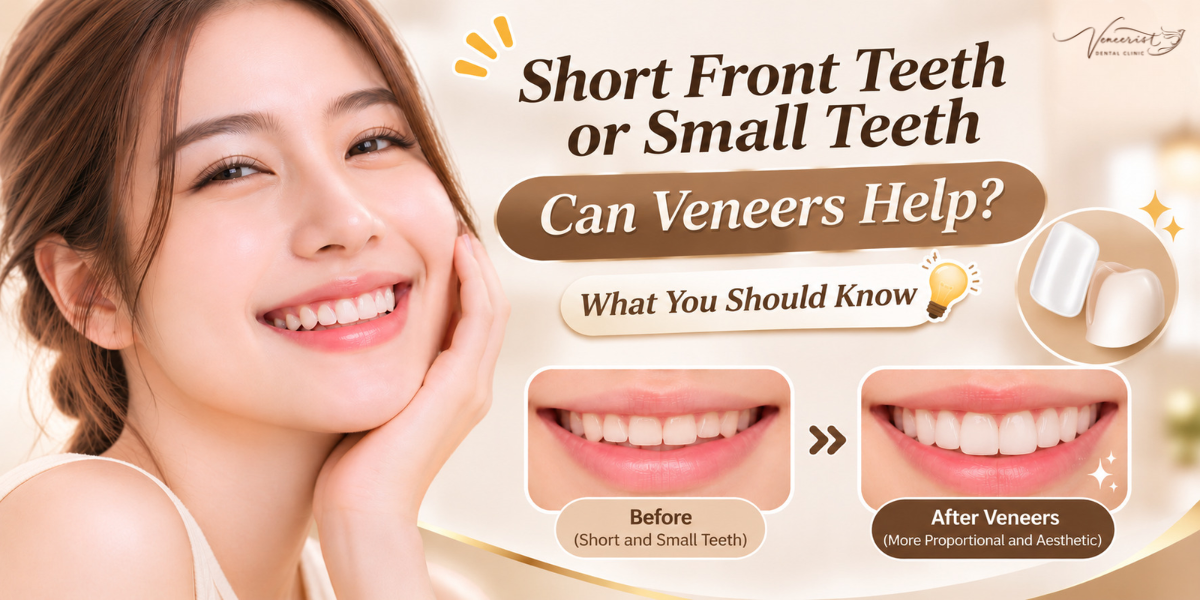
Ceramic veneers are thin, custom-made restorations bonded to the front surfaces of teeth. They may be used to improve the appearance of tooth colour, shape or proportions when clinically appropriate.
For someone living in Norway, considering treatment in Thailand may be influenced by several factors:
- The opportunity to explore dental treatment during an existing visit to Thailand.
- Access to clinics offering cosmetic dentistry and personalised smile planning.
- Interest in ceramic materials and the appearance of the finished restorations.
- The availability of English-language consultations at selected clinics.
- The overall cost of treatment, travel and any future appointments.
These factors may make Thailand worth considering, but they do not automatically make overseas treatment the best option for everyone.
Clinical standards, professional experience, treatment planning and aftercare arrangements can vary between individual providers in any country.
The priority should be finding a dental clinic that clearly explains the proposed treatment, its limitations and the possible risks.
3. Dental Veneers in Norway vs Thailand: What Are the Practical Differences?
One of the most important differences between receiving dental treatment in your country of residence and travelling overseas is the practical arrangement of ongoing care.
| Consideration | Treatment in Norway | Treatment in Thailand |
|---|---|---|
| Travel | Usually involves domestic travel | Requires international travel |
| Communication | Norwegian-language care may be readily available | English-language support should be confirmed |
| Follow-up visits | Returning to the original clinic may be more convenient | Follow-up care needs additional planning |
| Unexpected problems | Access to the treating dentist may be easier | Coordination with an overseas clinic may be necessary |
| Overall expenses | Depend on the clinic and treatment plan | May include treatment, travel and other related costs |
These are general practical considerations rather than a comparison of clinical quality between the two countries.
Ceramic veneers may involve preparing natural tooth structure, and the restorations require appropriate long-term care.
For this reason, the ability to attend follow-up appointments and obtain professional advice if a problem develops should be considered before beginning treatment.
4. Can Norwegian Residents Claim Reimbursement for Veneers in Thailand?
Healthcare reimbursement is an important subject for anyone considering dental treatment outside Norway.
Helsenorge provides guidance on reimbursement for certain types of dental treatment received in countries within the European Union or European Economic Area (EU/EEA), subject to specific eligibility requirements.
However, Thailand is not an EU/EEA member state. The reimbursement arrangements described for dental treatment within the EU/EEA should therefore not be assumed to apply to treatment in Thailand.
Helsenorge also explains that tourists travelling outside the EU/EEA generally cannot claim reimbursement for healthcare expenses under the relevant tourist healthcare arrangements.
Norwegian residents considering cosmetic veneers in Thailand should therefore plan for the possibility of paying their treatment costs themselves, unless they have verified a specific entitlement or insurance arrangement that applies to their circumstances.
If you have private health or travel insurance, contact your insurer before travelling to confirm whether planned cosmetic dental treatment, complications or emergency dental care are covered.
Standard travel insurance should not be assumed to cover elective cosmetic dentistry.
Official information:
5. What Should You Check Before Choosing a Veneer Clinic in Thailand?
Whether you choose to have veneers in Norway or Thailand, selecting a suitable dental provider requires careful consideration.
Dentist Qualifications and Clinical Assessment
Check that the dentist is appropriately licensed and that a clinical examination is carried out before treatment is recommended.
A consultation should include an assessment of your teeth, gums and bite, along with a discussion of your expectations.
You should also understand whether veneers are appropriate for your circumstances or whether another treatment may be more suitable.
Materials Used for Dental Veneers
Ceramic veneers and composite veneers differ in their materials, clinical techniques and maintenance requirements.
The most suitable option depends on factors such as existing tooth structure, bite, oral health and the desired appearance.
A treatment decision should not be based solely on photographs of previous results.
For an introduction to the different options, see our guide to dental veneers.
A Clear Treatment Plan
Before agreeing to treatment, ask what is included in the proposed plan.
This may involve examinations, tooth preparation, laboratory work, veneer fitting and any recommended follow-up appointments.
It is also important to understand whether additional treatment, such as fillings or periodontal care, may be required before veneers can be fitted.
Aftercare and Problem Resolution
Ask how the clinic handles concerns after treatment, particularly if you will be returning to Norway.
For example, what should you do if a veneer chips, becomes loose or feels uncomfortable when biting?
Any relevant aftercare policies, limitations and financial responsibilities should be explained clearly, preferably in writing.
6. Who Will Look After Your Veneers Once You Return to Norway?
This is one of the most important questions for anyone considering cosmetic dental treatment abroad.
Even after ceramic veneers have been fitted, regular oral healthcare and appropriate dental reviews remain important.
If a problem develops after returning to Norway, travelling back to Thailand may not always be practical.
It can therefore be helpful to keep copies of your treatment records, including relevant information about the restorations and materials used.
These records may assist a dentist in Norway if an assessment or further treatment becomes necessary.
However, another dentist may need to carry out an independent examination before recommending any repairs or replacement treatment. Additional fees may also apply.
If you experience pain, swelling, a loose veneer or a fractured restoration, seek professional dental advice rather than waiting until your next visit to Thailand.
Continuity of care is an important part of planning treatment overseas, not simply something to consider after the procedure.
7. What About Complaints and Patient Protection After Overseas Dental Treatment?
Patient rights and complaint procedures may differ depending on the country where dental treatment takes place.
According to Helsenorge, Norwegian complaint and compensation arrangements do not necessarily extend to dental treatment received abroad in the same way as treatment provided in Norway.
In particular, treatment received overseas should not be assumed to qualify for compensation through the Norwegian Patient Injury Compensation system (NPE).
Before proceeding with treatment abroad, ask the clinic about its complaint procedures, aftercare policies and how disagreements or unexpected treatment problems are handled.
It is also advisable to retain copies of treatment plans, consent documents, receipts and other relevant dental records.
Understanding these arrangements in advance can help you make a more informed decision.
Official information: Helsenorge – Complaints Following Dental Treatment
8. Considering Ceramic Veneers in Krabi? Discover Veneerist Dental Clinic
For Norwegian residents visiting Thailand and considering ceramic veneers in Krabi, Veneerist Dental Clinic offers consultations and personalised dental treatment planning.
Located on Maharat Road in Krabi Town, Veneerist provides cosmetic dental services including ceramic veneers, composite veneers and smile design.
Our approach focuses on careful assessment and attention to the details that contribute to a natural-looking smile, including tooth shape, shade, proportions and the way the teeth come together.
We believe that patients should understand their treatment options, limitations and expected maintenance requirements before making a decision.
International visitors can contact our team in English to discuss their concerns and arrange an initial consultation.
The suitability of veneers and the final treatment plan can only be determined following an appropriate dental examination.
Conclusion: Should You Consider Dental Veneers in Thailand if You Live in Norway?
For people living in Norway, ceramic veneers in Thailand may be an option worth considering, but the decision should involve more than treatment costs or travel convenience.
Important factors include the suitability of the procedure, the dentist’s qualifications, the materials used, healthcare entitlements and access to follow-up care once you return home.
Cosmetic dental treatment should not be assumed to qualify for public reimbursement, and patients should understand the practical implications of receiving treatment outside their country of residence.
Taking time to review your options and discuss them with a qualified dentist can help you choose an approach that suits your oral health, personal preferences and circumstances.
Contact Veneerist Dental Clinic Krabi
Interested in ceramic veneers or arranging a dental consultation during your visit to Thailand?
Our team is happy to assist with general enquiries and appointment arrangements.
Veneerist Dental Clinic Location
Disclaimer: Dental veneers may involve risks and limitations. Treatment suitability, procedures and outcomes vary according to each patient’s oral health and individual clinical assessment.
FAQ — Frequently Asked Questions
1. Can Norwegian residents travel to Thailand for dental veneers?
Yes. Norwegian residents may consider receiving dental treatment in Thailand, subject to applicable travel requirements and a clinical assessment to determine whether veneers are suitable.
2. Can I claim reimbursement in Norway for ceramic veneers fitted in Thailand?
Reimbursement should not be assumed. Thailand is outside the EU/EEA, and Norwegian healthcare reimbursement rules have specific eligibility requirements. Check with Helsenorge or Helfo and any relevant insurer before arranging treatment.
3. Can a dentist in Norway examine veneers fitted in Thailand?
Yes. You can arrange a dental examination in Norway after receiving treatment abroad. However, any repairs or additional treatment will depend on the dentist’s clinical assessment, and additional costs may apply.
4. Is getting veneers in Thailand riskier than getting them in Norway?
Clinical risks depend on factors such as oral health, the procedure and the individual treatment plan. Overseas treatment also introduces practical considerations, including travel, follow-up appointments and access to the original treating dentist.
5. How should I choose a dental veneer clinic in Thailand?
Consider the dentist’s qualifications, the quality of the consultation, treatment planning, materials, transparent pricing and aftercare arrangements. Avoid making a decision based on price alone.
6. Can I contact Veneerist Dental Clinic before visiting Krabi?
Yes. You can contact Veneerist Dental Clinic in English to discuss your concerns and arrange an appointment. A confirmed treatment plan requires an appropriate clinical examination.
References and Sources
The following official Norwegian health information resources were used to support the sections discussing dental healthcare costs, reimbursement and patient rights.
- Helsenorge – Who Pays Your Dental Bill?
- Helsenorge – Dental Treatment in the EU/EEA
- Helsenorge – Complaints Following Dental Treatment
Healthcare entitlements and reimbursement rules may change. Readers should confirm current requirements directly with the relevant Norwegian authorities before arranging treatment.