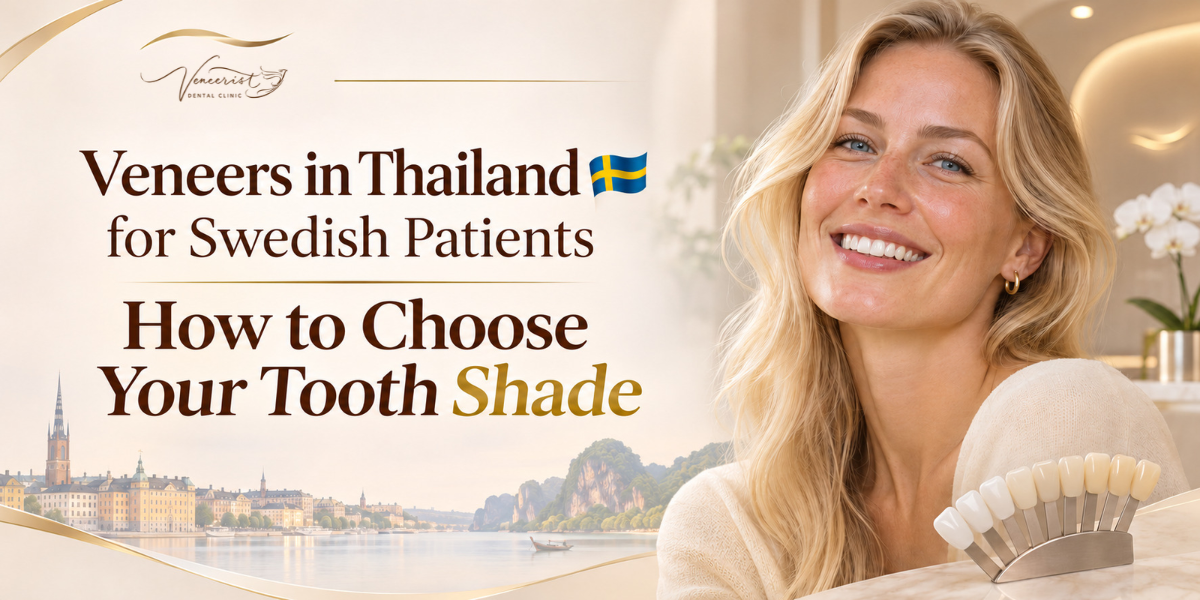
Ceramic Veneers in Thailand for Swedish Patients: How to Choose a Natural-Looking Tooth Shade
For people living in Sweden who are considering ceramic veneers in Thailand, choosing the right tooth shade is an important part of planning a new smile.
Some patients want brighter, whiter teeth without an artificial appearance. Others prefer a noticeably bright, Hollywood-style smile.
However, choosing the right veneer colour involves more than selecting the whitest shade on a dental shade guide.
Natural teeth have variations in brightness, colour intensity and translucency. These characteristics influence how light interacts with the teeth and how natural a smile appears.
For patients travelling from Sweden to Krabi for dental veneers, discussing shade preferences with the dentist before treatment can help establish realistic expectations and a clearer understanding of the desired result.
This guide explains the main factors involved in ceramic veneer shade selection, including natural-looking veneers, tooth translucency, shade matching and how to communicate your preferences during a dental consultation.
1. Why Isn’t the Whitest Veneer Shade Always the Best Choice?
When people think about dental veneers, they often imagine the bright white smiles seen on social media, in films or in celebrity photographs.
However, the whitest available shade is not necessarily the most suitable choice for everyone.
Natural teeth are not completely opaque or uniformly white. Their appearance varies across different areas of the tooth because of the optical properties of enamel and dentine.
Choosing an extremely bright veneer shade may create the striking smile a patient wants, but it can also produce a noticeable contrast with neighbouring natural teeth.
Before selecting a shade, it is helpful to consider the type of smile you would prefer:
- A slightly brighter smile that remains close to your natural tooth colour.
- Noticeably whiter teeth with some natural translucency.
- A bright, Hollywood-style smile.
- Veneers that blend with neighbouring teeth that will not be treated.
There is no single veneer shade that suits every patient.
The most appropriate choice depends on personal preferences, the existing teeth and the clinical possibilities of the proposed treatment.
2. Natural-Looking Veneers vs a Hollywood Smile: What’s the Difference?
Natural-looking veneers are generally designed to resemble the colour variations and optical characteristics of natural teeth.
A Hollywood-style smile, on the other hand, is often associated with a brighter and more uniform appearance.
These are descriptive terms rather than formal dental shade classifications.
| Feature | Natural-Looking Veneers | Hollywood-Style Smile |
|---|---|---|
| Brightness | Often selected to harmonise with natural teeth | May involve noticeably brighter shades |
| Translucency | Emphasises natural-looking light transmission | Can be adjusted according to the desired appearance |
| Colour variation | May retain subtle differences across the teeth | Often favours a more uniform appearance |
| Main aesthetic goal | A smile that blends naturally | A brighter, more striking smile |
Neither approach is automatically better than the other.
The important consideration is whether the final design reflects your preferences and is achievable within the clinical limitations of your teeth.
When speaking with your dentist, it is useful to explain what you mean by terms such as natural white, bright white or Hollywood smile.
3. What Do Dentists Consider When Choosing Ceramic Veneer Colours?
Dental shade selection involves several characteristics beyond whether a tooth appears white or yellow.
Four important concepts are hue, value, chroma and translucency.
Hue — The Basic Colour Tone
Hue refers to the underlying colour family, such as yellowish or reddish-brown tones in certain dental shade systems.
Two teeth can have similar brightness but different hues, making their colours appear noticeably different.
Value — How Light or Dark a Tooth Appears
Value describes the relative lightness or darkness of a colour.
It is particularly important in determining how bright a tooth appears.
A veneer with a higher value generally looks lighter, although a large difference in value between neighbouring teeth may be visually noticeable.
Chroma — The Intensity of the Colour
Chroma refers to the saturation or intensity of a particular hue.
Teeth with similar brightness can still look different if their colour intensity varies.
Translucency — How Light Passes Through the Material
Translucency describes the ability of a material to allow some light to pass through it.
This characteristic contributes to the appearance of natural teeth and ceramic restorations, particularly near the biting edges of front teeth.
When selecting a veneer shade, these factors need to be considered together rather than relying on a shade code alone.
4. Why Is Translucency Important for Natural-Looking Ceramic Veneers?
If you look closely at natural front teeth, you may notice that their biting edges sometimes appear more translucent than the areas closer to the gums.
This appearance is related to the structure and optical properties of enamel and dentine.
When designing ceramic veneers, translucency can be used to help create a sense of depth and a more tooth-like appearance.
However, greater translucency is not always preferable.
If the underlying tooth is heavily discoloured, a highly translucent veneer may allow more of that colour to influence the final appearance.
In such cases, the dentist may need to consider ceramic materials with different levels of opacity to achieve an appropriate balance between shade masking and aesthetics.
Natural-looking ceramic veneers depend on the interaction between the underlying tooth colour, ceramic material, translucency and overall shade design.
Translucency alone does not determine whether a veneer will look natural.
5. How Should You Choose Veneer Colours If You Are Only Treating Your Upper Teeth?
One common consideration when planning ceramic veneers is whether the new upper teeth will match the untreated lower teeth.
For example, a patient may wish to have eight ceramic veneers on the upper front teeth while keeping the lower teeth natural.
If the veneers are significantly brighter than the lower teeth, the difference may become noticeable when smiling or speaking.
Depending on the clinical situation, the dentist may discuss several options:
- Selecting a veneer shade that harmonises with the lower teeth.
- Assessing whether tooth whitening before veneer treatment would be appropriate.
- Considering how much of the lower teeth is visible during smiling and speaking.
- Planning the veneer shade around teeth that will remain untreated.
If whitening is being considered, it is important to discuss the order and timing of treatment before the final veneer shade is selected.
Natural teeth may respond to whitening treatment, but ceramic veneers do not whiten in the same way.
Once the veneers have been made and permanently bonded, conventional tooth whitening will not change the intrinsic colour of the ceramic.
6. Do Veneer Colours Look the Same in Photographs and Real Life?
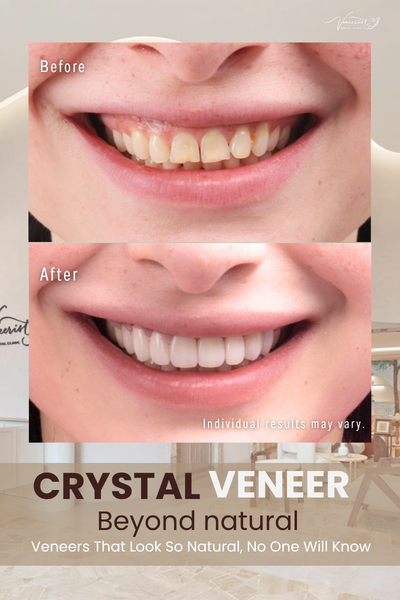
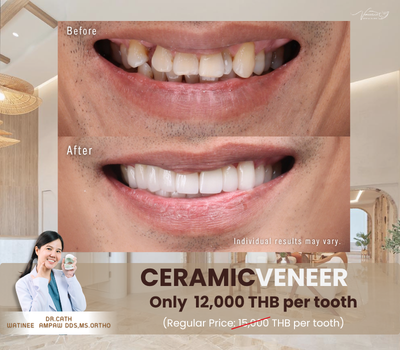
Before-and-after photographs can be useful when discussing smile preferences with a dentist.
However, the colour seen in a photograph may not accurately represent how a veneer appears in person.
Several factors can influence the image:
- Natural daylight versus indoor lighting.
- Camera white balance settings.
- Image editing and colour adjustments.
- The screen used to view the photograph.
- Tooth surface hydration during photography.
- Reflections from the surrounding environment.
For example, a veneer that appears very bright under studio lighting may look somewhat different in natural daylight.
Similarly, a photograph viewed on one mobile phone may display different colours from the same image viewed on another screen.
Photographs should therefore be treated as references for communicating preferences rather than exact shade specifications.
Professional shade assessment and checking the actual restorations remain important parts of the treatment process.
7. How Can Swedish Patients Explain Their Preferred Veneer Shade to a Dentist?
For patients travelling from Stockholm, Gothenburg, Malmö or elsewhere in Sweden to Thailand, preparing examples of preferred smiles may help make the consultation more productive.
Rather than simply saying, “I want natural white teeth”, it can be useful to describe the specific appearance you are hoping for.
Here are some English phrases you can use during your consultation.
“I would like my veneers to look natural, not overly white.”
This explains that you prefer a more subtle appearance.
“I prefer a brighter smile, but I still want some natural translucency.”
This communicates a preference for brightness while retaining some natural-looking optical detail.
“I want my upper veneers to blend well with my lower natural teeth.”
This highlights the importance of coordinating treated and untreated teeth.
“Can we compare different shades before making the final decision?”
This allows you to discuss the available shade options with your dentist.
You may also bring several reference photographs and explain which details you like or dislike in each image.
However, reference photographs cannot guarantee an identical result.
The appearance of ceramic veneers depends on your individual teeth, the selected materials and the treatment plan.
8. Can You Change the Colour of Ceramic Veneers After They Have Been Bonded?
Before veneers are permanently bonded, the dentist may check their shade, shape and fit as part of the clinical try-in process.
This is an important opportunity to discuss any concerns about their appearance.
Once ceramic veneers have been permanently bonded, changing their colour is not as straightforward as adjusting a digital photograph.
Conventional tooth whitening treatments cannot make the ceramic material itself lighter.
If a substantial change in veneer shade is desired after permanent bonding, replacing the restorations may need to be considered.
This can involve additional treatment, expense and clinical considerations.
For this reason, patients should discuss their preferred shade and understand the limitations of the chosen materials before the final bonding procedure.
9. Ceramic Veneer Shade Selection at Veneerist Dental Clinic Krabi
For people travelling from Sweden who are considering ceramic veneers in Krabi, Thailand, Veneerist Dental Clinic offers consultations and individualised smile planning.
At Veneerist, the dental team considers the patient’s preferences alongside the condition of their teeth and the clinical requirements of treatment.
Factors that may be assessed include:
- The natural shade of the existing teeth.
- The desired brightness and colour tone.
- The translucency and optical properties of the proposed ceramic.
- The colour of the underlying tooth structure.
- Whether veneers are planned for selected upper teeth or a larger group of teeth.
- The suitability of the selected materials and treatment approach.
Choosing the brightest possible shade is not necessarily the goal for every patient.
Instead, shade selection should reflect the desired appearance while taking account of the clinical possibilities and limitations of the treatment.
International visitors can contact the Veneerist team in English to discuss their initial concerns and arrange a consultation.
The final shade, material selection and treatment plan must be confirmed following an appropriate clinical assessment.
Conclusion: How Can You Choose the Right Ceramic Veneer Shade?
If you live in Sweden and are considering ceramic veneers in Thailand, choosing the right shade is an important part of planning your smile.
The ideal veneer colour is not determined by whiteness alone.
Brightness, hue, chroma, translucency and the appearance of your remaining natural teeth all influence the final result.
Patients who prefer natural-looking veneers may favour a shade that blends with their existing teeth and retains subtle optical characteristics.
Those seeking a Hollywood-style smile may prefer a brighter, more uniform appearance.
Both preferences can be discussed with a dentist, provided that the proposed design is clinically appropriate.
The most important step is to communicate clearly how you want your smile to look before the final veneer shade is selected and the restorations are permanently bonded.
Contact Veneerist Dental Clinic Krabi
Considering ceramic veneers in Thailand and looking for advice on choosing a natural-looking tooth shade?
Contact Veneerist Dental Clinic to arrange a consultation.
Veneerist Dental Clinic Location
Disclaimer: Veneer shade selection and treatment suitability depend on individual tooth conditions, restorative materials and clinical assessment. Results vary between patients, and an exact shade or appearance matching reference photographs cannot be guaranteed.
FAQ — Frequently Asked Questions
1. What is the best ceramic veneer shade for a natural-looking smile?
There is no single shade that suits everyone. The most appropriate choice depends on your natural tooth colour, preferred brightness, surrounding teeth and the clinical characteristics of the proposed veneers.
2. Can ceramic veneers look whiter without appearing artificial?
They may achieve a brighter appearance while retaining natural-looking characteristics through appropriate shade and material selection. However, the result depends on the underlying teeth and the clinical situation.
3. Why do some ceramic veneers have translucent edges?
The translucent appearance is related to the optical properties and design of the ceramic material. It may help recreate characteristics found in natural tooth enamel.
4. Will upper veneers look different from my natural lower teeth?
They may, particularly if the selected veneers are significantly brighter. Your dentist can assess the relationship between the upper and lower teeth when planning the shade.
5. Can I choose my veneer colour using photographs from the internet?
Photographs can help communicate your preferences, but lighting, cameras and screens can affect colour accuracy. They should not be the only basis for final shade selection.
6. Can ceramic veneers be whitened after treatment?
Conventional tooth whitening does not change the intrinsic colour of ceramic veneers. A significant shade change may require replacement of the restorations.
7. Can Swedish patients discuss veneer shades before travelling to Thailand?
You can contact the clinic to discuss your preferences and share reference photographs before travelling. However, the final shade and treatment plan require an appropriate clinical assessment.