Understanding Cavities, Fillings, and Aftercare
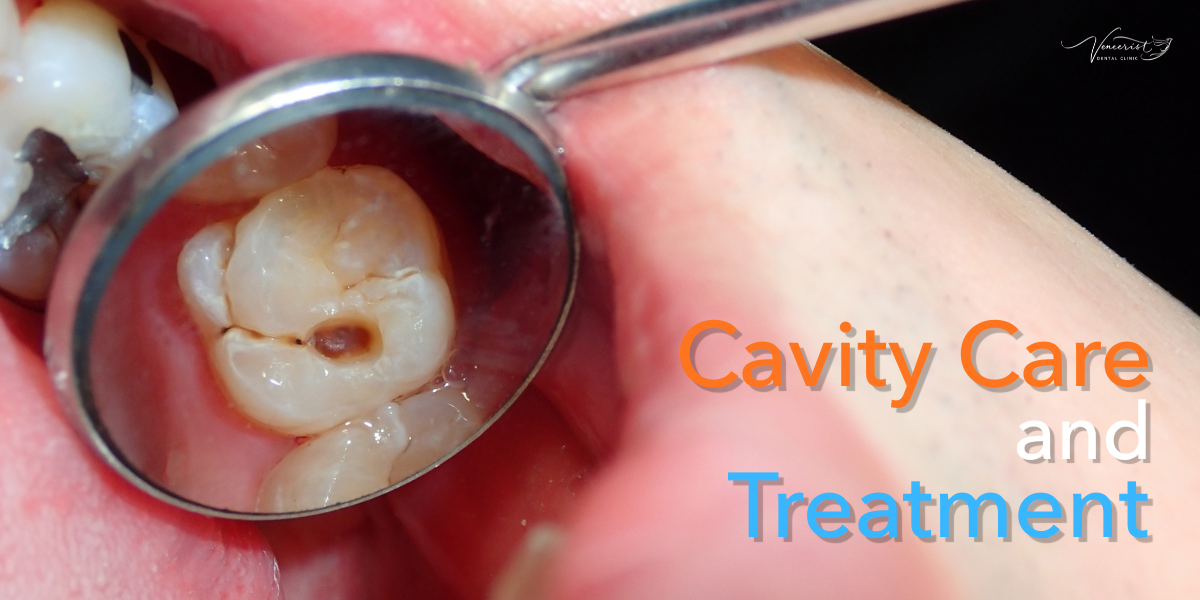
Have you ever felt a sudden sensitivity in your tooth while enjoying a refreshing glass of iced water or a sweet treat? Or perhaps you’ve noticed a tiny dark spot while brushing, but since it didn’t hurt, you figured it could wait.
We want to share a gentle reminder: cavities often develop gradually without obvious symptoms. Tooth decay can progress without obvious symptoms. Waiting until pain develops may allow the damage to become more extensive.
At Veneerist Dental Clinic Krabi, we believe that taking care of a cavity should be a comfortable, stress-free experience. Today, let’s walk through the 3 simple stages of tooth decay, how modern fillings work, and the easiest ways to care for your smile afterward so you can reduce the likelihood of needing more extensive treatment.
The 3 Silent Stages of Tooth Decay: Catching It Early Matters
Tooth decay doesn’t happen overnight. It is a gradual process driven by oral bacteria fermenting residual sugars into mild acids that dissolve your enamel. By recognizing these 3 biological stages, you can save your teeth with minimal intervention:
Stage 1: Enamel Demineralization
This is the very beginning where acid attacks the hard, outer shell of your tooth. At this stage, you will notice faint chalky white spots or tiny, surface-level brown marks. Most patients do not experience symptoms at this stage. Early enamel lesions may be managed without drilling through fluoride treatment, improved oral hygiene, and dietary changes, depending on a dental assessment.
Stage 2: Deep Dentin Invasion
When decay reaches the dentin beneath the enamel, some patients experience sensitivity to hot, cold, sweet, or sour foods and drinks. A dentist should assess the affected tooth and determine whether a filling or another treatment is needed.
Stage 3: Advanced Dental Pulp Infection
If Stage 2 is left unsupported, the bacteria will continue to damage the remaining dentin and invade the central pulp chamber where your blood vessels and nerves are located. This triggers acute, severe inflammation and localized abscesses. At this point, a standard tooth filling is no longer an option, and the patient may require extensive Root Canal Therapy or a structural tooth extraction to find relief.
Tooth-Colored Composite Fillings and Post-Treatment Guidance
To restore your tooth’s structural strength and beautiful contour seamlessly, our experienced dental team implements tooth-colored composite resin materials tailored exclusively to look perfectly natural:
1. Seamless Composite Resin Restorations
At Veneerist, we use tooth-colored composite resin for dental fillings. The material is shaped to restore the tooth’s contours and hardened using a curing light. The dentist then checks the bite and polishes the restoration.
What to Expect After Your Filling: Managing Mild Sensitivity Comfortably
It is incredibly common to wonder, “Is it normal to still feel a little sensation after my filling is finished?” The short answer is: Yes, mild sensitivity can occur after treatment. Think of it this way: to place a clean filling, your dentist had to use gentle instruments to clear away all the soft, decayed, and infected structures. This mechanical clearing process can leave the inner tooth nerves temporarily sensitive for a brief period. To help your newly restored tooth heal quickly and comfortably, here are a few gentle home care suggestions:
- Manage the Initial Numbing Phase: If local anesthesia was used, your lips and cheeks will feel numb for about 2–3 hours. Please avoid snacking or chewing during this window to prevent accidentally biting your inner cheek or tongue.
- Soothe Transient Sensitivity: It is completely normal to experience mild sensitivity to cold or hot liquids for the first 2–7 days. Try sticking to room-temperature treats for forty-eight hours to let the tooth rest.
- Keep Up Gentle Brushing: Continue brushing your teeth thoroughly twice a day and incorporate daily flossing around the new filling to keep plaque accumulation along the restorative margins.
Frequently Asked Questions (FAQ)
Why do my dental fillings keep falling out, and what should I do?
A filling may become loose or fall out because of wear, excessive biting forces, a tooth fracture, or decay around its edges. Keep the area clean, avoid chewing on the affected tooth, and arrange a dental assessment.
If my cavity doesn’t hurt or cause any pain, do I still need to get a filling?
A cavity should be assessed even if it does not hurt. Early enamel lesions may sometimes be managed without a filling, while a cavity that has formed may require restoration. Your dentist will recommend treatment based on the depth and extent of the decay.