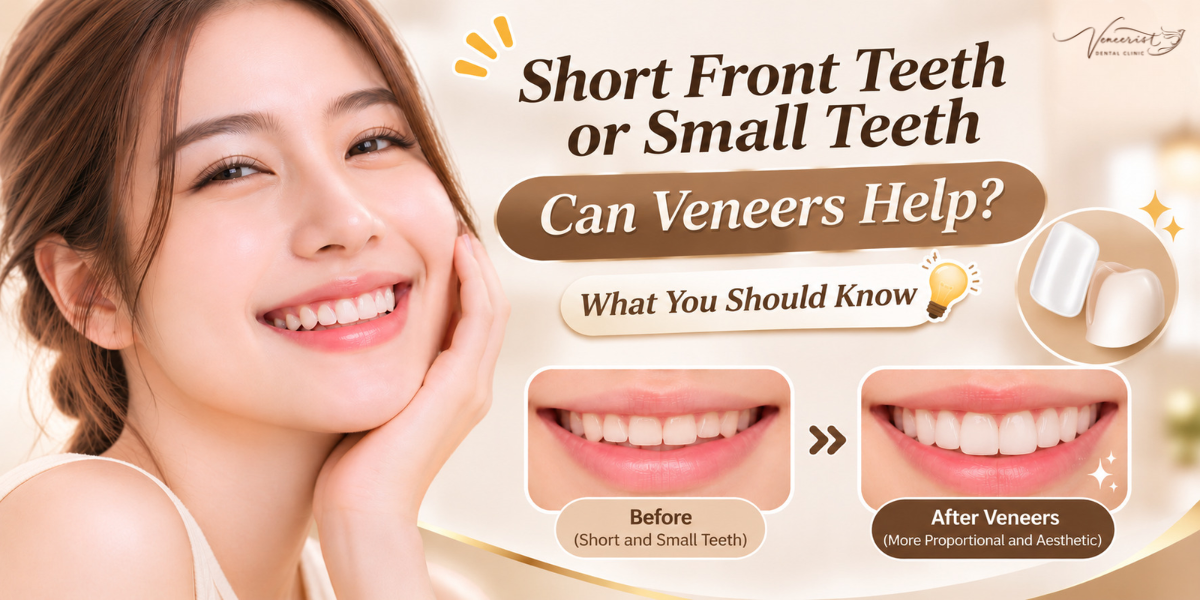
Short Front Teeth or Small Teeth: Can Veneers Improve Tooth Proportions?
Short front teeth or small teeth can sometimes be improved with dental veneers, which may help adjust tooth length, shape and proportions for a more balanced smile. However, veneers are not always necessary or the most suitable treatment.
Teeth may appear unusually short or small for several reasons, including their natural shape, tooth wear, gum position or alignment. Understanding the underlying cause is important before choosing a cosmetic dental treatment.
For some patients, veneers may be a suitable option. Others may benefit more from composite bonding, gum contouring, orthodontic treatment or a combination of approaches.
What Is the Difference Between Short Front Teeth and Small Teeth?
Although short front teeth and small teeth can create a similar appearance, they are not necessarily the same condition.
Short front teeth have relatively little visible height compared with their width or neighbouring teeth. Some people naturally have shorter teeth, whilst others may develop a shorter appearance due to tooth wear or gum tissue covering part of the tooth.
Small teeth, on the other hand, are smaller than expected in width, length or both. This may affect one tooth or several teeth.
One example is a peg-shaped lateral incisor, sometimes called a peg lateral. This occurs when an upper lateral incisor develops a narrow, tapered shape and appears noticeably smaller than the neighbouring front teeth.
Identifying the difference helps the dentist determine whether the tooth itself needs reshaping, whether the surrounding gum tissue should be assessed, or whether another treatment would be more appropriate.
What Causes Short Front Teeth or Small Teeth?
Several factors can affect the visible size and proportions of your front teeth.
1. Naturally Small or Short Teeth
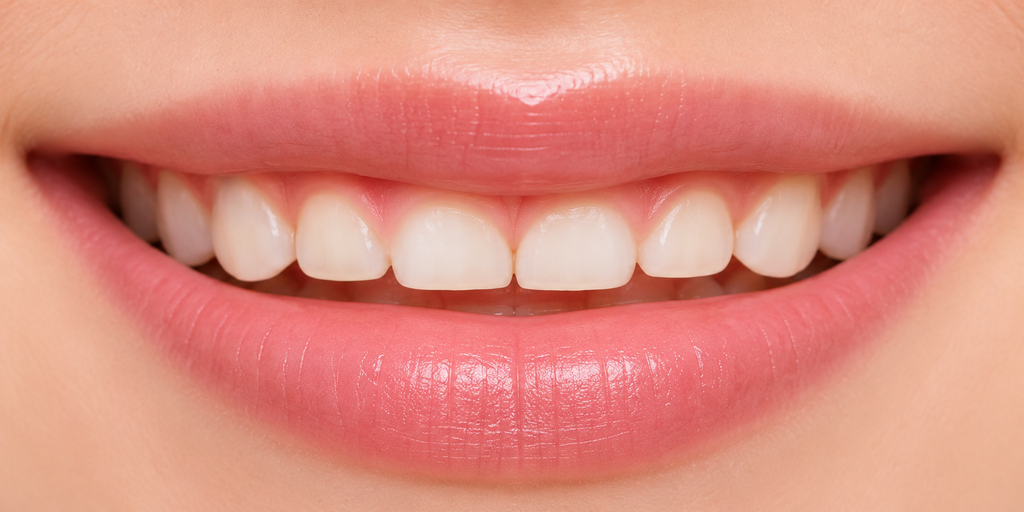
Some people naturally have smaller or shorter front teeth. This may simply be part of their individual dental anatomy.
If the teeth are healthy and function normally, treatment may not be necessary. However, patients who are unhappy with their tooth proportions may wish to explore cosmetic options.
2. Tooth Wear or Teeth Grinding
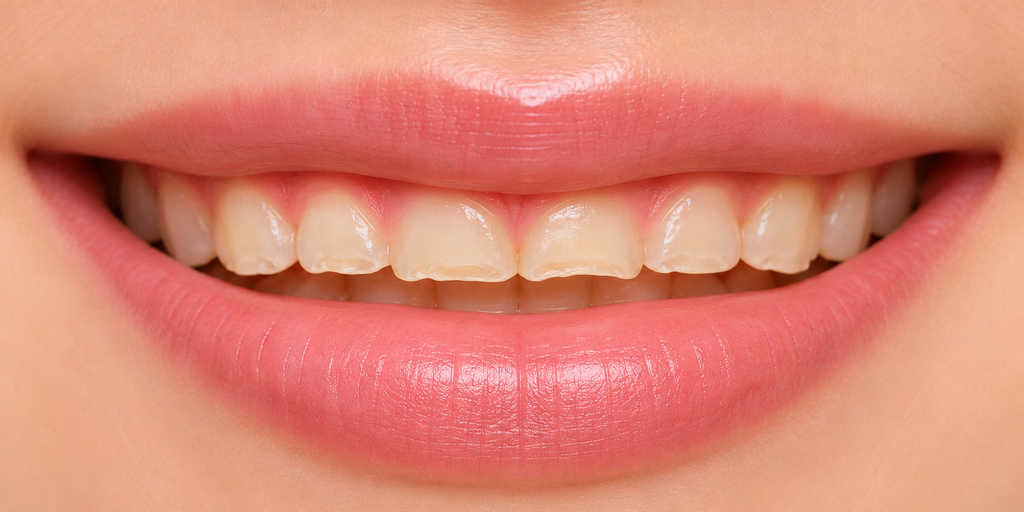
Front teeth can gradually become shorter as their biting edges wear down.
This may be associated with teeth grinding (bruxism), clenching or certain bite patterns that place repeated pressure on the teeth.
If tooth wear is responsible, simply making the teeth longer may not address the underlying problem. The dentist will also need to assess the bite and any factors that could affect the durability of a restoration.
3. Excess Gum Coverage
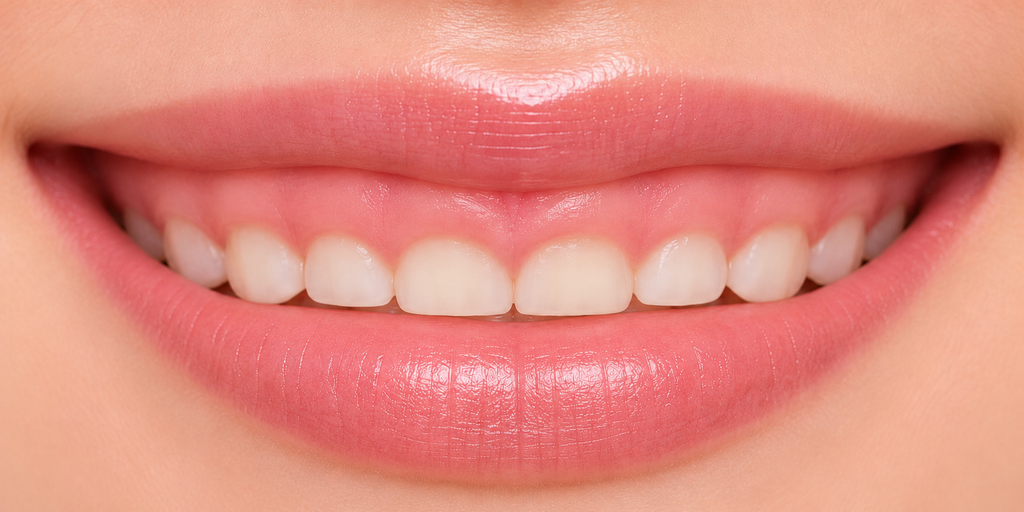
Sometimes, teeth are not actually small. Instead, part of the natural tooth crown may be covered by gum tissue, making the visible portion appear shorter.
This can also contribute to a smile in which more gum tissue is visible.
In these situations, the most suitable treatment may involve assessing the gum line rather than adding length to the biting edges of the teeth.
4. Tooth Position and Alignment
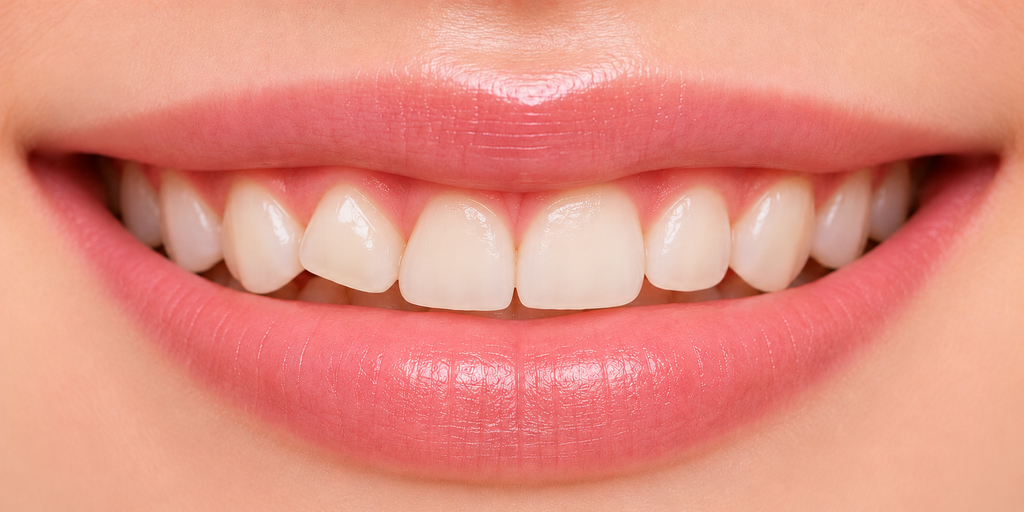
A tooth that is tilted, rotated or positioned differently from its neighbours may appear shorter or less symmetrical.
When the main issue involves tooth position or the bite, orthodontic treatment may be more appropriate than veneers.
How Can Veneers Help Short Front Teeth or Small Teeth?
Dental veneers are thin restorations bonded to the front surfaces of teeth. They can be designed to modify tooth shape, colour and proportions.
For patients with short or small front teeth, veneers may offer several possibilities.
Increasing the Appearance of Tooth Length
In suitable cases, veneers can be designed to extend the visible biting edge of a front tooth.
This may help improve the relationship between the tooth’s width and length, creating proportions that better complement the neighbouring teeth.
However, the amount of length that can safely be added depends on the patient’s bite, tooth structure and jaw movements.
Improving the Shape of Small Teeth
For patients with naturally small or tapered teeth, such as peg lateral incisors, veneers may help create a broader and more balanced tooth shape.
The aim is to improve the relationship between the smaller tooth and the surrounding teeth without making it look disproportionately large.
In some cases, orthodontic treatment or another restorative approach may be needed first to create suitable spacing.
Creating More Balanced Tooth Proportions
Smile design involves more than adjusting an individual tooth.
The dentist considers the relationship between tooth width, length, shape, the gum line and the overall smile.
The goal is not to make every tooth identical. It is to plan proportions that complement the patient’s natural dental anatomy and personal preferences.
Do Short Front Teeth Always Need Veneers?
No. Veneers are only one of several treatment options.
The most suitable approach depends on why the teeth appear short or small, how much tooth structure remains and what the patient hopes to achieve.
| Treatment | When It May Be Considered |
|---|---|
| Composite bonding | For adding shape or modest length to suitable teeth using tooth-coloured composite resin |
| Ceramic veneers | For modifying tooth shape, colour or proportions when the teeth are suitable for bonded restorations |
| Gum contouring | When excess gum coverage contributes to the appearance of short teeth, following an assessment of the gum and underlying bone |
| Orthodontic treatment | When tooth alignment, positioning or bite relationships contribute to the appearance |
| Other restorative treatments | When significant tooth wear or structural damage makes veneers unsuitable |
Some patients may benefit from a combination of treatments rather than a single procedure.
Where possible, treatment planning should also consider preserving healthy natural tooth structure.
Short Teeth Caused by Excess Gum Tissue: Veneers or Gum Contouring?
If your front teeth look short because the gum tissue covers a larger portion of the tooth, veneers alone may not be the most appropriate solution.
Adding length to the biting edges without addressing the gum line could result in tooth proportions that do not look balanced.
In selected cases, gum contouring or another periodontal procedure may help expose more of the natural tooth crown.
However, gum contouring is not suitable for everyone. The dentist must assess the gum position, underlying bone levels and supporting tissues before recommending treatment.
Some patients may need only gum treatment, whilst others may benefit from additional restorative work.
Can You Have Veneers If Your Front Teeth Are Worn Down by Grinding?
Veneers may be possible for some patients with worn front teeth, but careful assessment is particularly important.
Teeth grinding and clenching can place additional forces on dental restorations, increasing the risk of chipping, fractures or debonding.
Before recommending veneers, the dentist will consider the extent of tooth wear, remaining enamel, bite relationships and possible causes of the wear.
Where appropriate, treatment may include managing contributing factors or considering a custom-made night guard.
If a tooth has lost a substantial amount of its natural structure, another type of restoration may provide a more suitable solution.
What Should Be Assessed Before Getting Veneers for Short Teeth?
Before planning veneers, your dentist will evaluate several important factors.
Tooth Size and Proportions
The width, length and shape of each tooth help determine whether additional length or reshaping would be beneficial.
Smile Appearance
The number of teeth visible when smiling, the position of the biting edges and the relationship between neighbouring teeth all influence treatment planning.
Oral and Gum Health
Healthy teeth and gums are essential considerations. Existing decay, gum inflammation or other dental problems may need treatment before cosmetic restorations are placed.
Bite and Tooth Contact
The dentist will assess how the upper and lower teeth meet, including the forces that may affect the proposed restorations.
Personal Preferences
Some patients prefer subtle changes that preserve their natural tooth appearance. Others may wish to make more noticeable adjustments to tooth shape or colour.
Discussing these preferences helps the dentist explain what may be achievable and which options are appropriate.
Summary: What Is the Best Way to Improve Short Front Teeth or Small Teeth?
Short front teeth and small teeth can sometimes be improved with dental veneers, particularly when the main concern involves natural tooth shape or proportions.
However, veneers are not the right solution for every patient.
If the teeth appear short because of excess gum coverage, tooth wear or alignment problems, gum contouring, orthodontics or other restorative treatments may be more suitable.
The most appropriate treatment depends on the underlying cause, oral health, bite and individual preferences.
A dental assessment can help identify the available options and determine whether veneers are a suitable way to improve tooth proportions whilst preserving healthy tooth structure wherever possible.
Discuss Your Smile Goals at Veneerist Dental Clinic Krabi
If you feel that your front teeth look too short, that certain teeth are smaller than others, or that your smile proportions appear uneven, a dental consultation can help you understand the possible causes and treatment options.
At Veneerist Dental Clinic Krabi, we take a personalised approach to smile design, considering tooth shape, colour, proportions, gum levels and bite relationships when planning treatment.
Whether you are considering veneers or exploring other ways to improve your smile, our dental team can discuss suitable options following an examination.
Veneerist Dental Clinic Krabi — Crafting Your Shine
Maharat Road, Pak Nam, Mueang Krabi, Krabi, Thailand
Telephone / WhatsApp: +66 63 969 8989
Location: Find Veneerist Dental Clinic on Google Maps
For information about treatments and appointments, please contact our dental team.