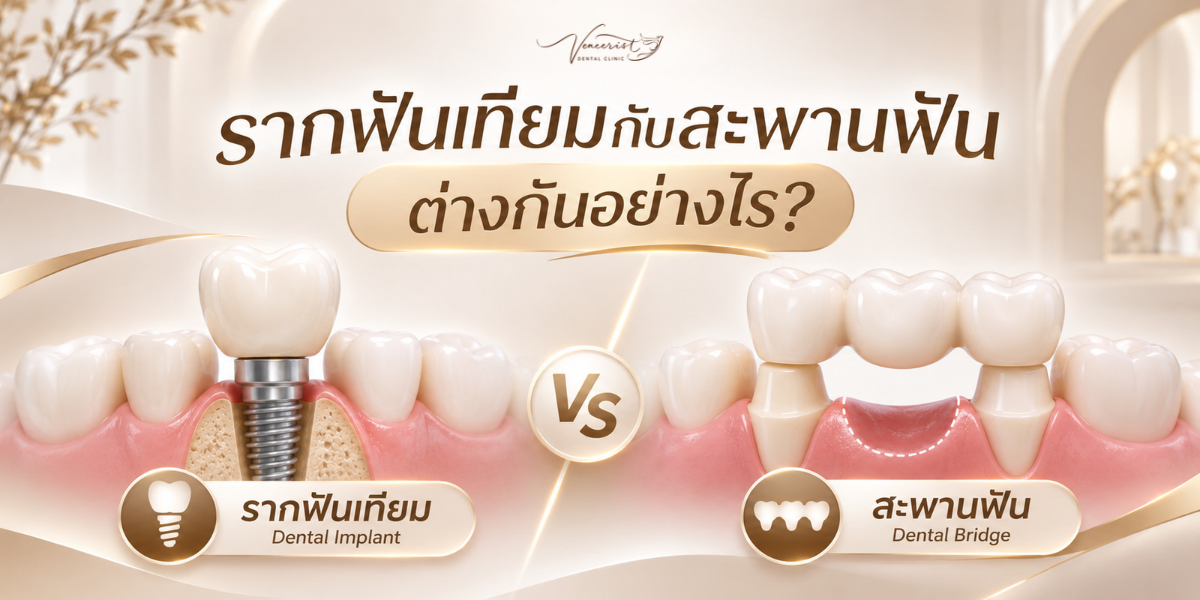
If you have lost a tooth, dental implants and dental bridges are two common ways to replace it. Both can help restore your smile and chewing function, but they work differently. A dental implant replaces the missing tooth root with a fixture placed in the jawbone, while a traditional dental bridge uses neighbouring teeth to support an artificial tooth.
So, which option is better? The answer depends on the condition of your surrounding teeth, jawbone health, bite and individual treatment needs. Understanding the differences can help you make a more informed decision with your dentist.
What Is the Difference Between a Dental Implant and a Dental Bridge?
Dental Implant
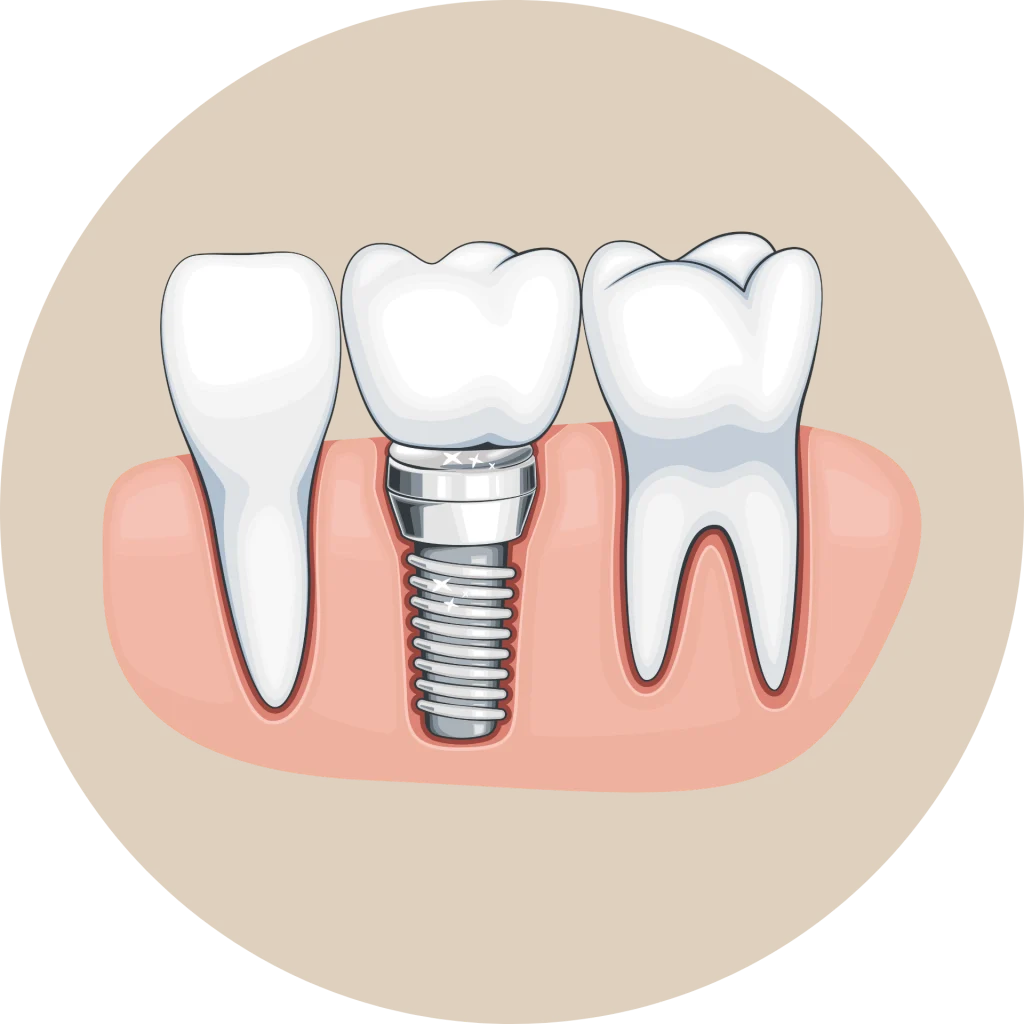
A dental implant is a small fixture surgically placed into the jawbone to support a replacement tooth. Once the implant has integrated with the surrounding bone, a dental crown can be attached to restore the visible part of the missing tooth.
One of the main advantages of a single dental implant is that it generally does not require neighbouring healthy teeth to be prepared or reshaped.
However, implant treatment requires an assessment of your jawbone, gums and overall oral health.
Find out more about dental implant treatment at Veneerist Dental Clinic.
Dental Bridge
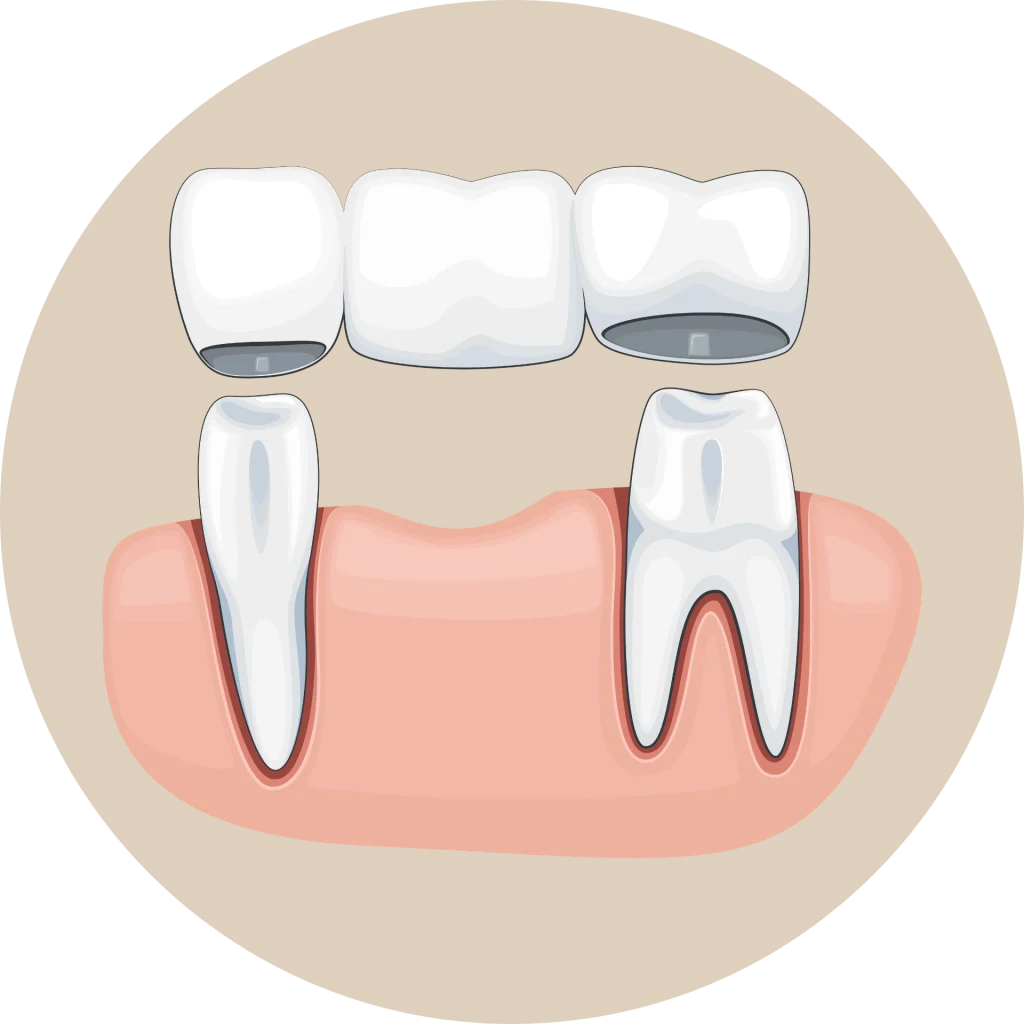
A dental bridge is a fixed dental restoration designed to replace one or more missing teeth.
A traditional bridge usually relies on neighbouring natural teeth for support. These supporting teeth are prepared to accommodate crowns connected to an artificial replacement tooth.
For example, if one tooth is missing, a traditional three-unit bridge may use the two adjacent teeth to support the replacement.
There are also other types of bridges, including resin-bonded bridges, which may require less preparation of the neighbouring teeth. The most suitable design depends on the individual case.
Dental Implants vs Dental Bridges: Key Differences
Although both treatments replace missing teeth, they differ in several important ways.
| Feature | Dental Implant | Traditional Dental Bridge |
|---|---|---|
| How it works | A fixture in the jawbone supports a replacement tooth | Neighbouring teeth support the replacement tooth |
| Preparation of adjacent teeth | Generally not required for a single implant | Usually required |
| Surgery | Requires implant placement surgery | Usually does not require surgery |
| Treatment time | May take several months | Often completed sooner |
| Cleaning | Requires careful cleaning around the implant and crown | Requires cleaning beneath the bridge and around supporting teeth |
Both treatments can be effective when appropriately planned, but neither is suitable for every patient.
Advantages and Limitations of Each Option
Dental Implants
Potential advantages
- Generally preserve neighbouring healthy teeth when replacing a single missing tooth.
- Provide independent support for a replacement crown.
- Can help restore chewing function.
- May help maintain some of the jawbone around the missing tooth area.
Limitations
- Require a surgical procedure.
- Healing and bone integration may take several months.
- Some patients may require additional procedures, such as bone grafting.
- Surgical complications, implant failure and inflammation around the implant are possible.
Dental Bridges
Potential advantages
- Treatment is often quicker than implant treatment.
- Traditional bridges usually do not require implant surgery.
- May be suitable when neighbouring teeth already need crowns.
- Provide a fixed replacement that does not need to be removed daily.
Limitations
- Traditional bridges usually require preparation of the supporting teeth.
- Cleaning beneath the artificial tooth requires extra attention.
- Problems affecting a supporting tooth may compromise the bridge.
- A conventional bridge does not replace the missing tooth root within the jawbone.
Missing One Tooth: Should You Choose an Implant or a Bridge?
The condition of the teeth surrounding the gap is an important factor when choosing a treatment.
If Your Neighbouring Teeth Are Healthy
If the teeth next to the gap are healthy and do not require crowns, a dental implant may be worth considering.
It can replace the missing tooth without preparing the neighbouring teeth for a traditional bridge, provided your jawbone and overall health are suitable for implant treatment.
If Your Neighbouring Teeth Already Need Crowns
If the adjacent teeth have large fillings, fractures or other reasons for needing crowns, a dental bridge may be an appropriate option.
Your dentist will need to assess whether those teeth are strong enough to support the restoration.
If You Have Insufficient Jawbone
Bone loss can occur after a tooth has been missing for some time.
If there is insufficient bone to support an implant, additional treatment such as bone grafting may be considered. Alternatively, a dental bridge or another tooth replacement option may be more appropriate.
A dental examination and suitable imaging, where clinically indicated, can help determine which approach is feasible.
Which Lasts Longer: Dental Implants or Bridges?
Both dental implants and bridges can function for many years with appropriate treatment and ongoing care.
However, it is not possible to guarantee that one option will last longer than the other for every patient.
Long-term outcomes depend on factors such as gum health, bite forces, oral hygiene, the condition of supporting teeth and regular dental maintenance.
An implant may remain stable while its crown eventually requires repair or replacement. Similarly, a bridge may need attention if its supporting teeth or restoration develop problems.
Rather than choosing solely on expected lifespan, it is important to consider which treatment is most suitable for your oral health.
Dental Implant vs Bridge: What About the Cost?
A single dental implant may have a higher initial cost than some types of dental bridges because treatment involves implant placement and the components required to support the final crown.
The cost of a dental bridge depends on factors such as the number of units, materials used and the condition of the supporting teeth.
Additional procedures may also affect the overall cost of either treatment.
For more information, you can visit the Veneerist Dental Clinic website or contact our team to enquire about treatment options and fees.
A personalised treatment plan and quotation can be discussed following a dental assessment.
Conclusion: Dental Implant or Bridge — Which Should You Choose?
Dental implants and dental bridges are both established options for replacing missing teeth, but each has different advantages and limitations.
A dental implant may be suitable if your neighbouring teeth are healthy and your jawbone can support implant treatment.
A dental bridge may be worth considering if the adjacent teeth already require crowns or if implant surgery is not suitable or preferred.
The best choice depends on your individual oral health, treatment goals and clinical assessment.
Tooth Replacement Consultation at Veneerist Dental Clinic Krabi
If you are considering a dental implant or bridge but are unsure which option may suit you, our dental team can assess your oral health and discuss the available treatment approaches.
At Veneerist Dental Clinic Krabi, we believe in providing clear information and carefully planned dental care, helping patients understand the potential benefits, limitations and aftercare requirements before making a decision.
Contact Veneerist Dental Clinic Krabi
Veneerist Dental Clinic — Crafting Your Shine
Maharat Road, Pak Nam, Mueang Krabi, Krabi, Thailand
View Our Location on Google Maps
Visit Our Website to Enquire About an Appointment
Telephone: +66 63 969 8989
Opening Hours: Daily, 10:00 am – 8:00 pm (Advance appointments are recommended. Opening hours may vary.)