Do Dental Implants Hurt? How Long Does the Pain Last and What Is the Recovery Time?
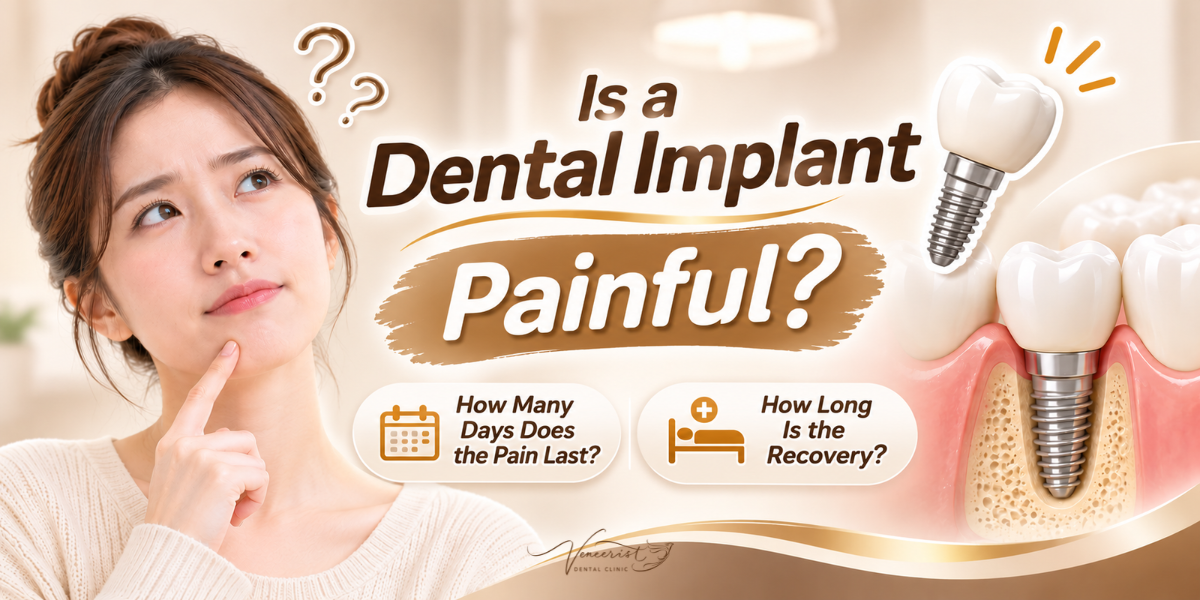
Do dental implants hurt? This is one of the most common concerns among patients considering dental implant treatment, particularly those who have never undergone oral surgery before.
Dental implant surgery is usually performed under local anaesthetic to help control pain during the procedure. You may feel some pressure or vibration, but you should not experience sharp pain once the area has been adequately numbed.
After the anaesthetic wears off, some soreness, swelling or tenderness is normal. Discomfort is often most noticeable during the first 2–3 days and should gradually improve as the tissues heal.
However, everyone experiences pain and recovery differently. The complexity of the surgery, the number of implants placed, your oral health and how well you follow your dentist’s aftercare instructions can all influence your recovery.
Do Dental Implants Hurt During Surgery?
Dental implant treatment involves placing a small implant fixture into the jawbone to replace the root of a missing tooth. The implant can then support a replacement tooth, such as a dental crown, once the dentist determines that it is ready.
Modern dental implants are commonly made from titanium or titanium-based materials because of their biocompatibility and ability to integrate with the surrounding bone.
Before treatment, your dentist will examine your mouth and assess the condition of your jawbone. Dental X-rays or a CBCT scan may be recommended to help plan the implant position and evaluate nearby anatomical structures.
Does the Local Anaesthetic Injection Hurt?
You may feel a brief sting or slight discomfort when the local anaesthetic is administered, similar to other dental procedures that require an injection.
Once the anaesthetic has taken effect, your dentist will check that the area is sufficiently numb before proceeding.
What Will You Feel During Implant Placement?
Although the surgical area should be numb, you may still notice sensations such as:
- Pressure around the treatment area
- Vibration from dental instruments
- Movement or contact without sharp pain
Local anaesthetic blocks pain signals but does not necessarily remove every sensation.
If you experience pain during the procedure, tell your dentist immediately. They can pause, assess the situation and provide additional pain control if appropriate.
Important: Dental implant surgery should not be described as completely painless for everyone. Nevertheless, appropriate anaesthesia and careful treatment planning can help make the experience more comfortable.
How Long Does Pain Last After Dental Implant Surgery?
Once the local anaesthetic wears off, you may experience soreness or tenderness around the surgical site. Mild swelling, bruising and a small amount of bleeding may also occur.
For straightforward implant surgery, these symptoms generally improve over several days. More extensive procedures, such as multiple implant placements or bone grafting, may involve a longer recovery period.
First 24 Hours After Surgery
During the first day, you may experience mild to moderate discomfort as the anaesthetic wears off.
A small amount of blood-tinged saliva or slight bleeding around the surgical area can also occur.
It is important to rest, avoid strenuous activities and take any prescribed medication according to your dentist’s instructions.
Days 2–3: Swelling May Be More Noticeable
Swelling can become more noticeable during the first 48–72 hours following surgery.
Some patients may also develop minor bruising around the gums or face.
Pain should generally remain manageable with the recommended medication and aftercare measures.
If discomfort becomes increasingly severe rather than gradually improving, contact your dental clinic.
Days 4–7: Gradual Improvement
For many patients, swelling and tenderness begin to settle noticeably during this period.
You may feel more comfortable returning to your usual daily routine, provided your recovery is progressing normally.
However, the surgical area may still be healing, so you should avoid chewing hard foods directly over the implant site.
After 1–2 Weeks
The gum tissues will often have healed considerably by this stage, although complete healing varies between individuals.
If non-dissolvable stitches were used, your dentist will arrange their removal when appropriate.
Dissolvable stitches may not require removal, depending on the type used.
These timeframes are general guidance rather than a guarantee. Any unexpected or worsening symptoms should be assessed promptly.
How Long Is Dental Implant Recovery Time?
One common misunderstanding is that patients need several months of bed rest after dental implant surgery.
In reality, there is an important difference between recovering from the surgical procedure and allowing the implant to integrate with the jawbone.
1. Initial Recovery After Surgery
Following straightforward implant placement, some patients feel well enough to return to desk-based work or light daily activities within 1–2 days.
Others may need additional time, particularly if they have undergone more extensive surgery or experience significant swelling.
If your job involves heavy lifting, strenuous physical activity or demanding manual work, ask your dentist when it is appropriate to return.
2. Healing Between the Implant and Jawbone
After placement, the implant gradually develops a connection with the surrounding bone through a biological process called osseointegration.
This process usually takes several months, depending on factors such as:
- Jawbone quality and density
- Implant location
- Initial implant stability
- General health
- Whether bone grafting was required
Even if your gums feel comfortable after a few days, this does not necessarily mean the implant is ready to support normal chewing forces.
In selected cases, a temporary tooth or an early restoration may be possible. However, this depends on clinical assessment and is not suitable for everyone.
Why Do Some Patients Experience More Pain Than Others?
Pain and swelling after dental implant surgery can vary considerably.
Several factors may influence your recovery.
Number of Implants and Surgical Complexity
Placing a single implant in an area with sufficient bone may involve less extensive surgery than placing several implants or treating a more complex area.
However, the number of implants alone does not determine how much discomfort a patient will experience.
Bone Grafting Procedures
Some patients do not have enough jawbone to support an implant without additional treatment.
In these cases, bone grafting may be required before or during implant placement.
Additional surgery can increase swelling, tenderness and recovery time, depending on the procedure involved.
Oral Health and Medical Conditions
Existing infections, gum disease and certain medical conditions may influence healing.
For example, poorly controlled diabetes can increase the risk of healing complications.
Having diabetes does not automatically mean dental implants are unsuitable, but individual assessment and appropriate medical management are important.
Smoking and Aftercare
Smoking is associated with impaired wound healing and an increased risk of certain dental implant complications.
Following your dentist’s aftercare instructions, maintaining good oral hygiene and avoiding unnecessary pressure on the surgical area can help support recovery.
How to Reduce Pain and Swelling After Dental Implant Surgery
Proper aftercare is important for supporting healing and reducing the risk of complications.
1. Take Medication as Directed
Your dentist may recommend or prescribe pain relief depending on your treatment and medical history.
Always follow the recommended dosage and instructions.
Do not increase the dose without professional advice, and inform your dentist about any allergies, medical conditions or medicines you take regularly.
2. Apply a Cold Compress When Recommended
Applying a cold compress to the outside of your cheek during the early recovery period may help manage swelling.
Wrap the compress in a clean cloth rather than placing ice directly against your skin.
Follow your dental team’s advice regarding how long and how frequently to apply it.
3. Choose Soft Foods
During the initial healing period, choose foods that are soft and easy to chew.
Suitable options may include:
- Scrambled eggs
- Soft porridge
- Mashed potatoes
- Yoghurt
- Soft, well-cooked vegetables
Avoid very hot foods immediately after surgery, particularly while your mouth is still numb.
Hard, crunchy or chewy foods may irritate the surgical site or place unwanted pressure on the implant.
4. Avoid Vigorous Rinsing During the First 24 Hours
Vigorous rinsing or repeated spitting shortly after surgery may disturb the surgical wound and interfere with early healing.
Follow your dentist’s specific instructions for cleaning your mouth.
If a medicated mouthwash has been prescribed, use it exactly as directed.
5. Avoid Smoking and Alcohol During Recovery
Smoking can interfere with tissue healing and is associated with a higher risk of implant complications.
Alcohol may also affect recovery and interact with certain medicines.
Ask your dentist how long you should avoid alcohol, and consider stopping smoking for the long-term health of your mouth and implants.
6. Attend Your Follow-Up Appointments
Even when pain and swelling have settled, follow-up appointments remain important.
Your dentist will assess the healing tissues, check for complications and monitor your progress before moving to the next stage of treatment.
When Should You Be Concerned About Pain After Dental Implant Surgery?
Some discomfort is expected following oral surgery, but certain symptoms may indicate a problem requiring professional assessment.
Contact your dentist if you experience:
- Pain that becomes progressively worse rather than improving
- Significant swelling that continues to increase
- Fever, pus or an unpleasant discharge from the surgical site
- Persistent or unusually heavy bleeding
- Movement of the implant or attached components
- Unusual or prolonged numbness affecting the lip, chin or tongue
If you develop rapidly increasing swelling accompanied by difficulty breathing or swallowing, seek emergency medical attention immediately.
Do not attempt to adjust, tighten or remove any implant components yourself.
Can You Have Dental Implants If You Are Afraid of Pain?
Being anxious about dental treatment does not automatically mean dental implants are unsuitable for you.
If you are worried about pain, discuss your concerns with your dentist before treatment.
You can ask about:
- How local anaesthetic will be used
- What sensations to expect during surgery
- Pain relief after the procedure
- How much recovery time you may need
- Alternative treatments for replacing missing teeth
Your dentist can explain the procedure, assess your oral health and help you make an informed decision.
Dental implants are not the only solution for missing teeth. Depending on your circumstances, alternatives may include a dental bridge or removable denture.
The most appropriate option depends on your oral health, the number of missing teeth, jawbone condition and personal treatment goals.
Frequently Asked Questions About Dental Implant Pain
Are Dental Implants More Painful Than Tooth Extractions?
Not necessarily. Pain varies according to the complexity of the procedure, the condition of the surrounding tissues, the effectiveness of local anaesthesia and individual sensitivity.
It is not possible to say that implant surgery is always more or less painful than tooth extraction.
How Many Days Should I Take Off Work After Dental Implant Surgery?
Some patients return to light work within 1–2 days after straightforward surgery.
However, more extensive procedures or physically demanding jobs may require additional recovery time.
Your dentist can advise you based on your treatment plan.
How Long Does Swelling Last After Dental Implant Surgery?
Swelling is often most noticeable during the first 2–3 days and then gradually improves.
The exact duration depends on the extent of surgery and individual healing.
When Can I Eat Normally After Dental Implant Surgery?
You may gradually return to a wider range of foods as your comfort improves, but you should avoid chewing hard foods directly over the surgical area until your dentist advises that it is safe.
The timing will depend on your treatment and healing progress.
Is It Normal to Have No Pain After Dental Implant Surgery?
Yes. Some patients experience very little discomfort after implant placement.
However, the absence of pain does not confirm that the implant has fully integrated with the bone. Follow-up assessments are still necessary.
Is Pain Several Months After Dental Implant Surgery Normal?
New or recurring pain several months after implant placement should not automatically be considered normal.
It may be associated with inflammation, excessive biting forces or problems involving the implant components.
A dental examination is recommended to identify the cause.
Conclusion: Do Dental Implants Hurt and How Long Does Recovery Take?
Dental implant surgery is usually performed under local anaesthetic to help control pain during treatment.
Some soreness, swelling or tenderness may occur afterwards, particularly during the first 2–3 days. For many patients, these symptoms gradually improve over the following days.
Following straightforward surgery, some people can return to light daily activities within 1–2 days, although more complex treatment may require a longer recovery period.
It is also important to remember that recovering from surgery and allowing the implant to integrate with the jawbone are two different stages.
Careful treatment planning, appropriate aftercare and regular follow-up appointments all play an important role in supporting healing.
Dental Implant Consultation at Veneerist Dental Clinic Krabi
If you are considering dental implants but have concerns about pain, the treatment process or recovery time, you can consult a dentist to assess your oral health and discuss a treatment plan tailored to your individual needs.
At Veneerist Dental Clinic Krabi, we believe in providing clear information and carefully planned dental care. Our aim is to help patients understand the treatment process, potential benefits, limitations and aftercare requirements before making an informed decision.
Contact Veneerist Dental Clinic Krabi
Veneerist Dental Clinic — Crafting Your Shine
Maharat Road, Pak Nam, Mueang Krabi, Krabi, Thailand
Google Maps: https://share.google/KdNUhHfNUknISCF1X
Opening Hours: Daily, 10:00 am – 8:00 pm (Advance appointments are recommended. Opening hours may vary.)