What to Expect After Dental Scaling and How to Care for Your Teeth
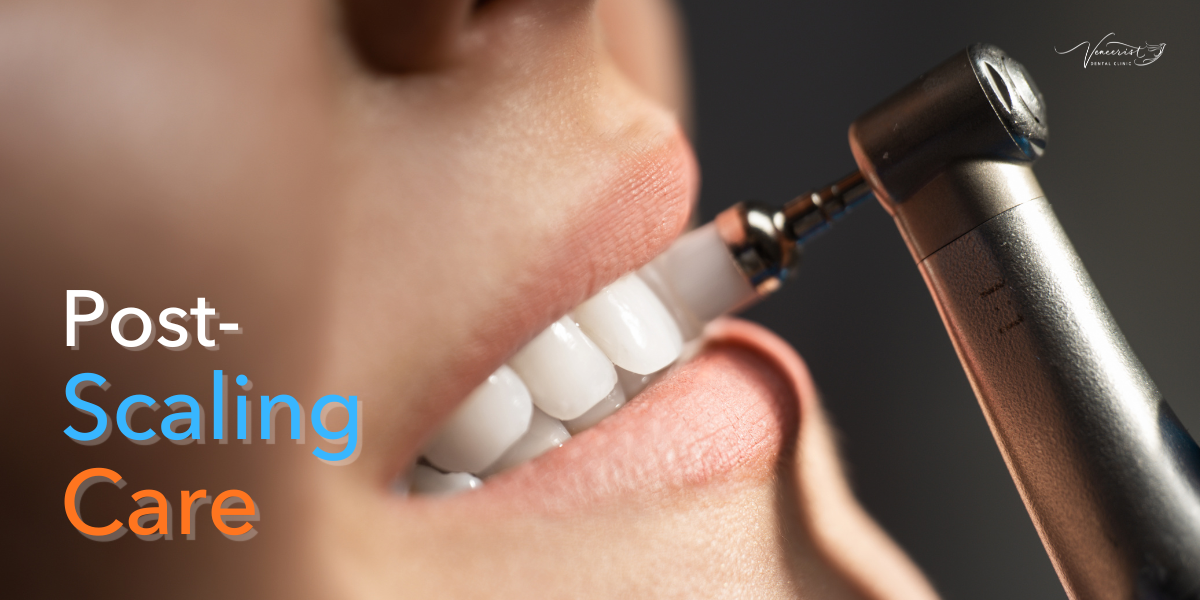
Taking care of your teeth with a professional dental scaling session is one of the most important preventive dental treatments for maintaining oral health. It completely clears away plaque and tartar and calcified tartar that normal brushing just can’t reach.
However, right after your session, it is incredibly common to wonder, “Why do my gums feel a little tender?” or “Is it normal for my teeth to feel so sensitive to cold water?” we want to reassure you: these temporary sensations are common temporary reactions following treatment. At Veneerist Dental Clinic Krabi, we want your post-cleaning experience to be as relaxing and comfortable as a day at the spa. Today, let’s walk through the simple steps you can take at home to ease tooth sensitivity, protect your gums, and keep your freshly cleaned smile healthy for the long run.
Why Do We Honestly Need Dental Scaling Every 6 Months?
Even with regular brushing and flossing and flossing, soft food debris combined with natural oral bacteria gradually develops into a sticky layer called plaque. Over time, calcium minerals from your saliva cause this plaque to calcify and harden into hardened deposits known as dental calculus or tartar.
Once tartar forms, it creates a rough surface that cannot be brushed away at home. This buildup slowly irritates your gum tissues, leading to bad breath, bleeding while brushing, and localized gum inflammation (Gingivitis). Regular professional cleaning can help reduce the risk of gum disease and maintain oral health. every 6 months for a gentle ultrasonic cleaning, you safeguard your permanent teeth from deep bone loss and help maintain healthy teeth and gums.
Your Simple Aftercare Guide: Managing 3 Common Post-Cleaning Sensations
1. How to Handle Mild Bleeding Along the Gumline
If your gums were slightly inflamed due to heavy tartar accumulation, experiencing a slight bleeding or minor bleeding for the first 24 hours after scaling is entirely normal.
- Our Gentle Advice: Please do not worry or stop cleaning your teeth! Continue brushing gently with an ultra-soft bristle brush. Within a day or two, as the inflammation begins to improve, your gum tissues will gradually heal, heal, and return to a healthy, healthier condition.
2. Simple Ways to Soothe Temporary Tooth Sensitivity
Feeling a brief “zing” when drinking iced water is the most frequent response after scaling. This happens because the tartar deposits that used to cover and cover exposed root surfaces has been safely removed, temporarily exposing the clean surfaces to temperature changes.
- Our Gentle Advice: Your teeth just need a brief resting period! Try avoiding extremely hot or freezing cold liquids for the first forty-eight hours. A toothpaste for sensitive teeth containing potassium nitrate may help reduce sensitivity.
3. Choosing Foods After Scaling
During the first few days while your gums are settling down, it’s best to avoid foods that may irritate sensitive teeth and gums during meal times.
- Our Gentle Advice: Focus on soft, room-temperature, or mildly warm foods that are easy to chew, such as smoothies, soups, pasta, or soft rice dishes. Try to avoid highly acidic fruits (like lemons or oranges), heavily spicy curries, or intensely crunchy snacks that could accidentally scratch or irritate your healing gum lines.
Additional Care After Deep Scaling or Root Planing
For our guests who require deep scaling or Root Planing—a therapeutic process where we gently clean deep beneath the gumline to treat advanced periodontal disease—the aftercare parameters require a bit more additional attention:
- If local anesthesia was utilized, please wait 2–3 hours until the numbness completely fades before enjoying a meal to avoid accidentally biting your tongue or inner cheek.
- Your dentist may prescribe a specialized antiseptic chlorhexidine mouthwash to support healing. Please use it exactly as directed to keep support healing and plaque control.
- If you experience mild soreness, taking a standard over-the-counter pain reliever like paracetamol (acetaminophen) every 4–6 hours will help keep you help manage discomfort.
Frequently Asked Questions (FAQ)
Can I brush and floss my teeth immediately after a scaling session?
Yes In fact, it is highly recommended. Keeping your teeth clean prevents new soft plaque from settling onto the freshly polished surfaces. Simply swap to a soft-bristled toothbrush, apply gentle pressure, and continue flossing daily with care. There is no need to skip your oral hygiene routine
Why do my teeth feel like they have “gaps” or feel wider after scaling? Will they close up?
This is one of the most common surprises guests share! Rest assured, scaling does not grind away or create gaps in your actual teeth. When tartar accumulates over months, it acts like a hardened tartar deposits filling the natural spaces between your teeth and pushing your gums down. Once we gently clear that wall away, you are simply feeling the the natural contours of your teeth. again. As the swelling fades and your gums heal, they will gradually adapt and heal as inflammation improves.